

Skip to content
Casey House Impact Report 2020

Impact Report 2024-25

Impact Report
2024-25

A Message from the
CEO and Board Chair

At Casey House, our team aims to make a client’s entire care experience positive. It’s not just about health outcomes; dignity and humanity are at the heart of everything we do.

In this report, you’ll read about how we embarked on a transformation in program design. This strategy was accompanied by an organizational change and an articulation of our relationship-building approach to care. That approach? Build relationships that enable people living with and at risk of HIV to access and engage in stigma-free health care.

It takes work to form relationships and establish trust. Sometimes, that begins with one conversation, for others it’s remembering their chosen name, months of shared lunches, or attending to a persistent wound.

Even though clients are met with compassion and respect at our hospital it takes time to prove that things are different here. That’s because outside our walls stigma, discrimination, and blind spots on how to serve this population persist.

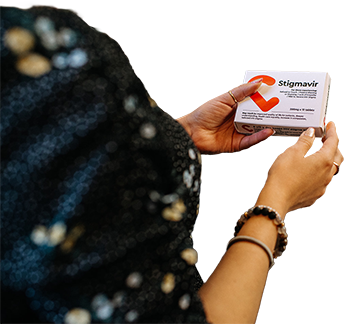
The people we care for are living with and at higher risk of HIV due to the social determinants of health. Those who face social and structural barriers to health frequently face stigma in health care settings. Read on to learn about Stigmavir, the pill we introduced to smash stigma in health care settings.

Thank you to everyone who continues to support clients to overcome health inequities and access care. Providing stigma-free health care requires authenticity, consistency, and a whole lot of heart.

Joanne Simons smiling head and shoulders photograph.

Joanne Simons
Chief Executive Officer

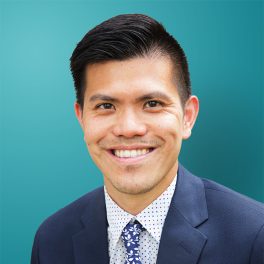
A photo of Victor Ng against an aqua blue background

Victor Ng
Chair, Board of Directors

a big fluffy cloud – bluesky thinking

Re-imagining
Care

With a goal to attend to the health and wellness needs of our diverse population and mitigate for the daily barriers they face outside our walls, Casey House launched a new commitment to client-informed, best practice program design.

Titled Re-imagining Care, Casey House is redesigning programs and services to increase our ability to meet clients’ needs. The three phases of this work are: Imagine- Transform- Sustain

Imagine

Whether a new service or an established one, the design is informed by feedback from clients, peers, staff, and volunteers. This co-design process helps everyone see one another’s perspectives as they play out in a service, those providing and those receiving. It also leads to outcomes designed around shared goals of easy access, good experience, and positive health and wellness outcomes.

Transform

Bringing the designed, or re-designed, service to life by collaboratively implementing its co-designed features. Possible future states are tested and refined, followed by a service launch. Key performance indicators are developed for service delivery to tell us whether we are achieving our objectives and clients’ health goals.

Sustain

The final phase is about iterative learning and adapting as service delivery continues.

We are excited about this work, which helps our team adapt traditional structures for providing health care to a non-traditional client population.

ACCESS

Access – a series of circles, entering a larger circle

EXPERIENCE

Experience – a series of circles seemingly random, but all interconnected with a white line

OUTCOMES

Outcomes – all the circles are still connected by a line, in a circle. Ordered with a distinct circular pattern.

Casey House
in a year

Graphic of a heart in a shield

14

private inpatient rooms

graphic of a clock and hands

24

hours of

care from nurses, physicians and allied health

greater symbol

118

inpatient admissions

43

days – median length of stay for an inpatient client

32,512

outpatient client visits

886

outpatient clients

graphic of a door

1,543

Blue Door Clinic visits

graphic image of plate and fork

23,029

hot midday lunches served to clients

83%

percentage of clients with an HIV diagnosis

29

peers sharing their lived experience to support clients

harm_reduction2

8,412

hours of peer support for clients

917

visits to supervised consumption services (SCS)

61,846

kits of safer drug use supplies distributed

435

active volunteers

graphic of support

6,936

volunteer hours

Casey House
in a year

Graphic of a heart in a shield

14

private inpatient rooms

graphic of a clock and hands

24

hours of

care from nurses, physicians and allied health

greater symbol

118

inpatient admissions

43

days – median length of stay for an inpatient client

32,512

outpatient client visits

886

outpatient clients

graphic of a door

1,543

Blue Door Clinic visits

graphic image of plate and fork

23,029

hot midday lunches served to clients

83%

percentage of clients with an HIV diagnosis

29

peers sharing their lived experience to support clients

harm_reduction2

8,412

hours of peer support for clients

917

visits to supervised consumption services (SCS)

61,846

kits of safer drug use supplies distributed

435

active volunteers

graphic of support

6,936

volunteer hours

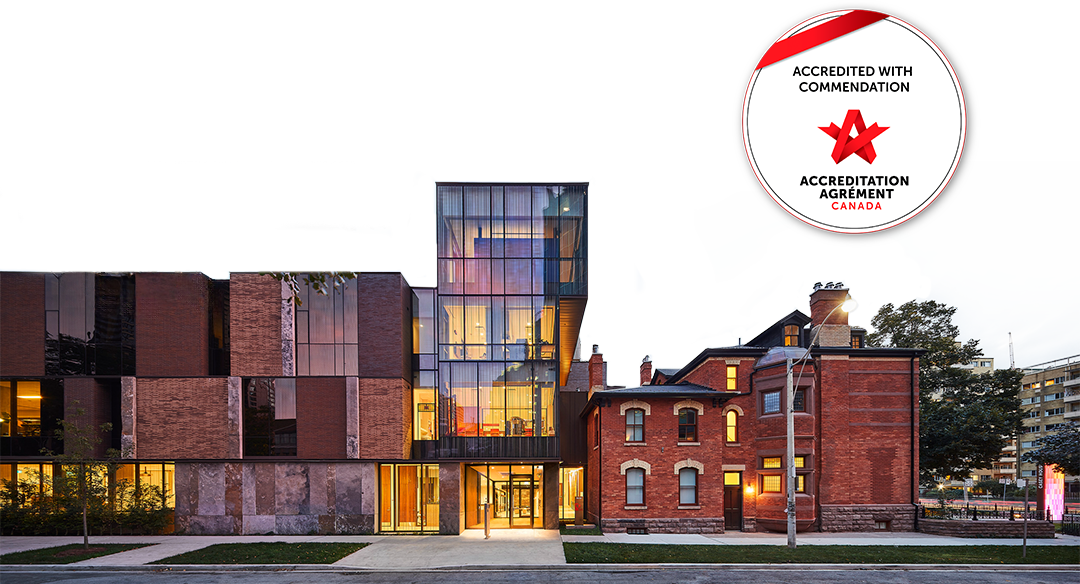
an image of Casey House with the Accreditation with Commendation Seal in the skyline. The image was taken at dusk so the lights in the front windows cast a warm glow.

Accreditation Canada’s Stamp of approval

In May, we welcomed Accreditation Canada for Casey House’s first Qmentem survey of the hospital’s ongoing and continuous improvement in service delivery, safety, and our learning culture.

Two surveyors visited every area of the hospital during their in-depth on-site assessment as they followed clinical and administrative processes over the course of a week.

The vast majority of hospitals in Canada are accredited and our results were extraordinary, especially for a first assessment: Casey House met over 99% of the criteria we were assessed against and achieved Accredited with Commendation status.
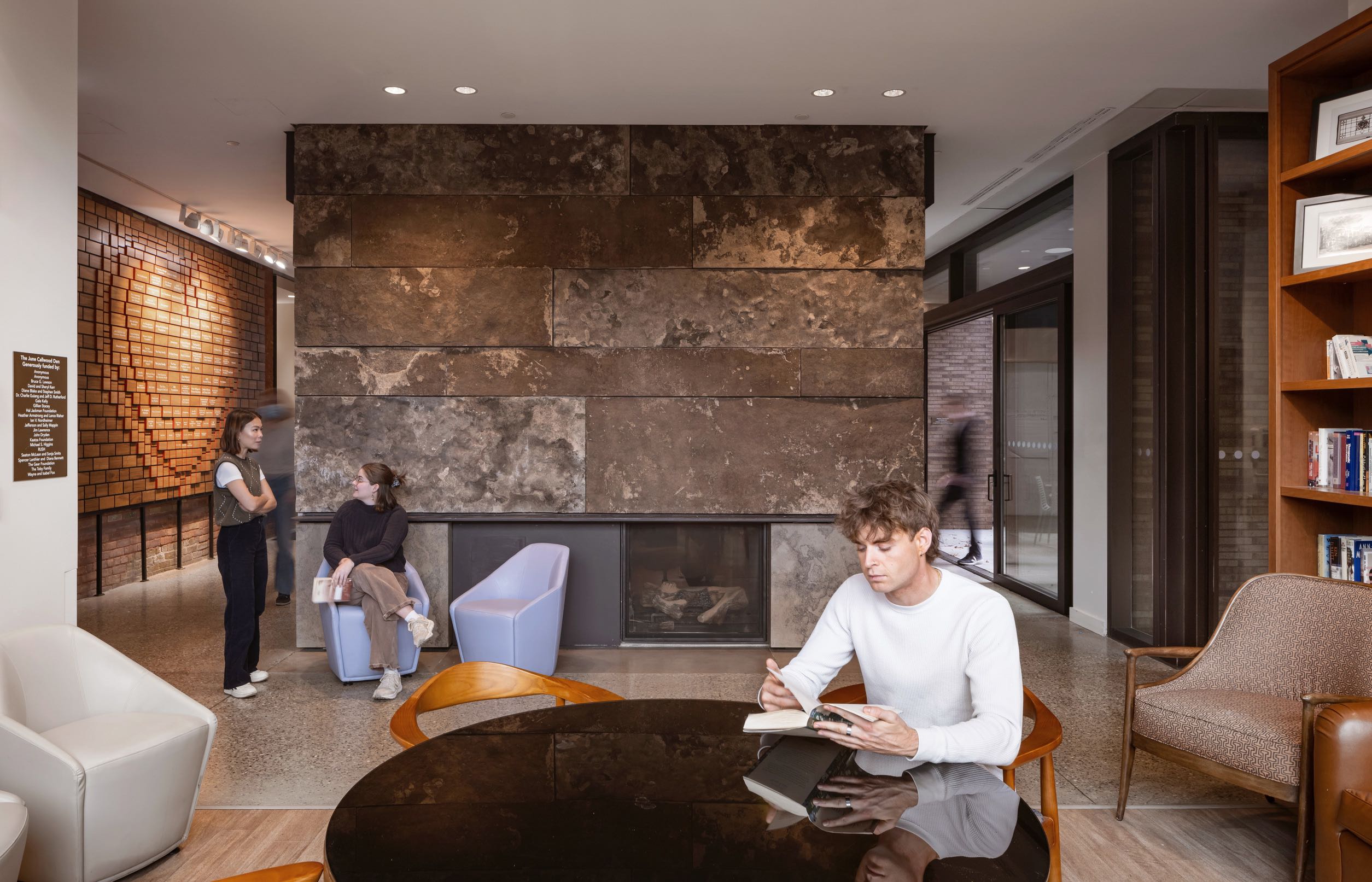
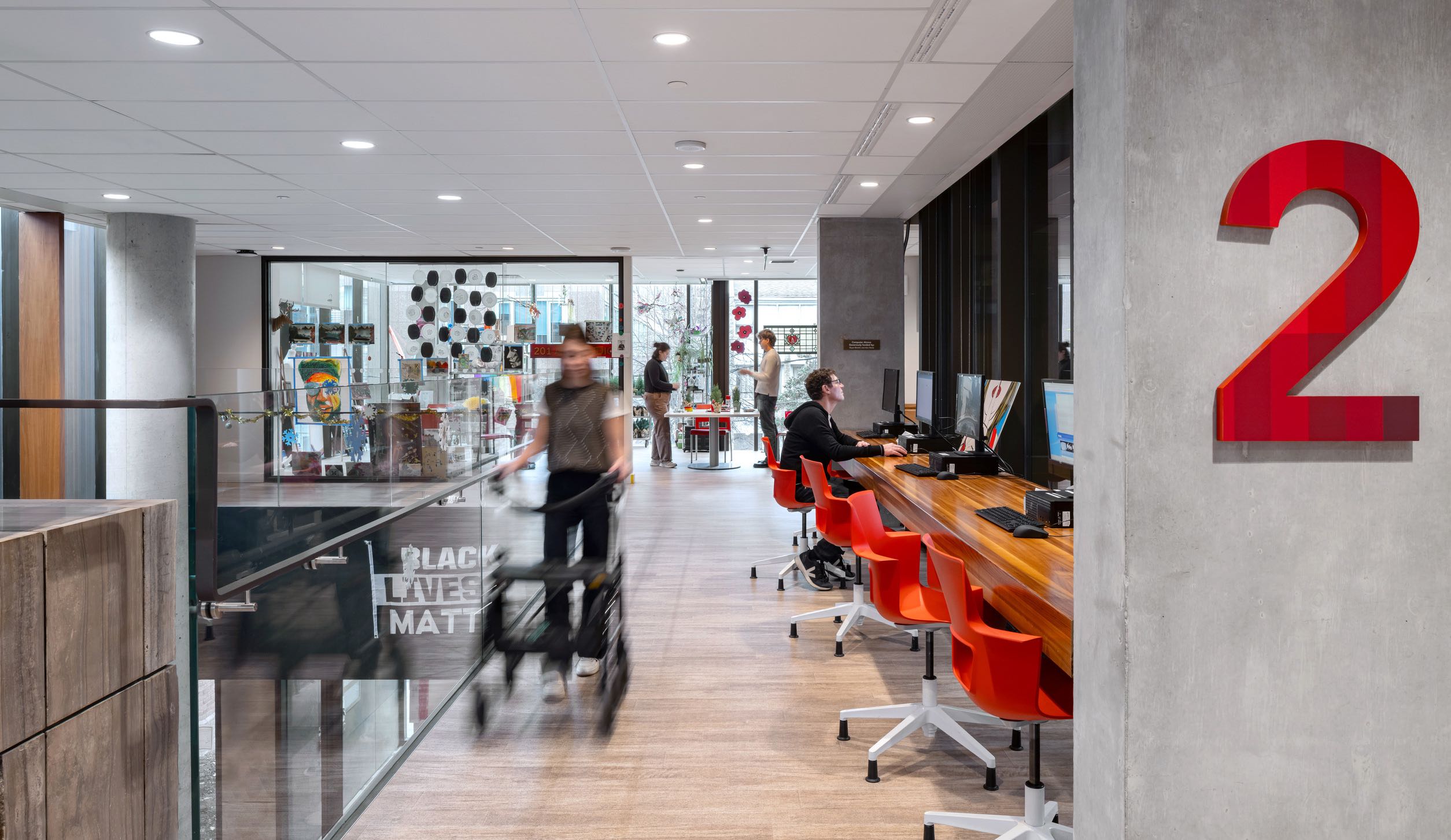
Photos: Scott Norsworthy

The surveyors mentioned client engagement: how our clients feel Casey House is their home, that they feel safe and part of their care and decision-making. Our supervised consumption services (SCS) was also highlighted as something innovative and courageous we have done for clients.

The positive results confirm that as a sub-acute hospital we have things in place that keep staff and clients safe, that we are on the right track delivering excellent care, and that we look for opportunities to improve that care.

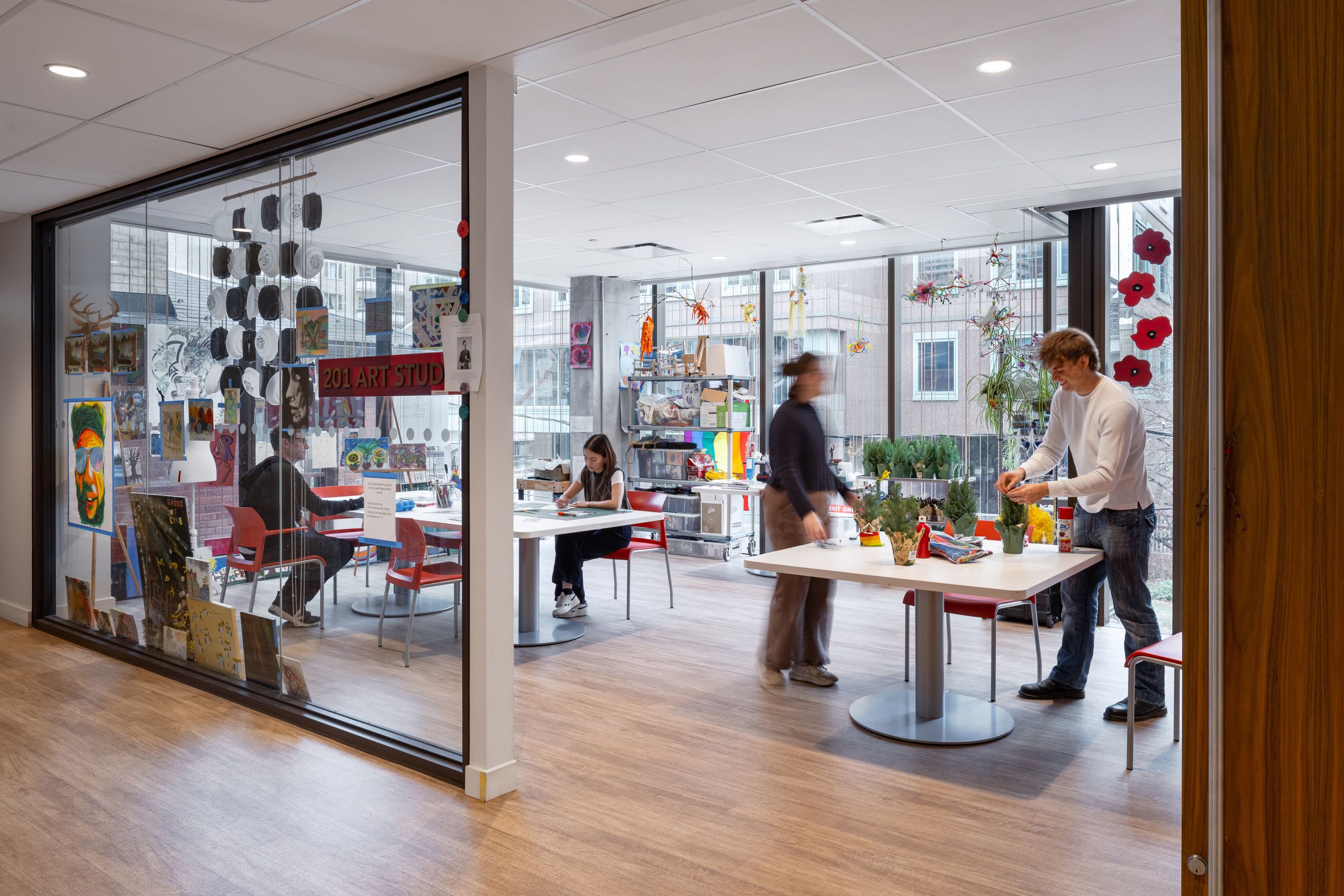
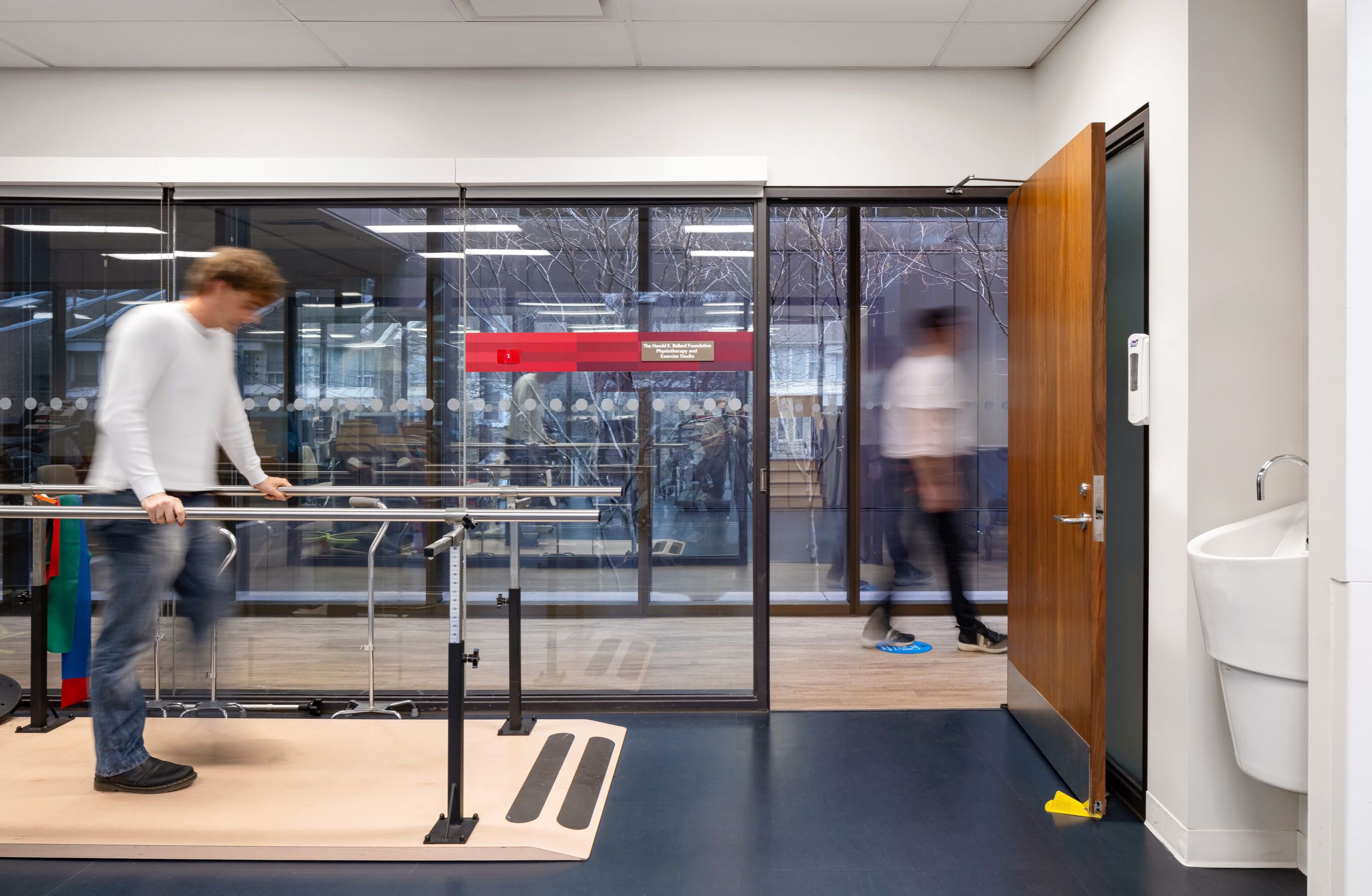
Care on both the inpatient and ambulatory units is very people-centred. The staff are proud to show off the areas that have been improved by hearing the client voice. Client and family input has been instrumental in the design of space and programs, and this continues to be evaluated every day. Feedback is always welcome and taken into consideration.

Excerpt from Accreditation Canada report


An anonymous person with their hands in their pockets. This is a representation of a client at Casey House.

Meet Bert

A client since January 2023, Bert* learned about Casey House and became curious about our harm reduction kits when friends were receiving medicine here. One of those friends introduced him to a harm reduction worker, who conducted an intake interview and told him about our supervised consumption services (SCS). Bert was excited to learn about supervised inhalation, since he does not want to create unsafe situations by inhaling substances in washrooms or public parks.

As someone who self-medicates his chronic conditions, he does not like the public’s stigmatizing perceptions against people who use substances.

Bert highlights the quality of care from staff as being a major asset unique to Casey House. He feels confident that if he overdosed, our monitoring staff would help him reverse it. Additionally, he appreciates our team’s strong emphasis on non-judgmental care for people who do not plan on becoming sober, and the peace of mind knowing that if an individual did want to stop using substances, someone would be there to help start a game plan with them.

Bert feels the Casey House team really meets clients where they are on their health care journeys. Once he was comfortable, one of our social workers introduced him to other outpatient offerings beyond the SCS, including a referral for housing support, support to reclaim his ID, and income tax support services, which was a pleasant surprise for him. Bert felt more empowered after being treated with dignity, and genuine interest by our staff, in an unpatronizing manner.

*Bert is a pseudonym for a client who wishes to be identified by the initials B.S.

Outpatient clients who use substances can benefit from our harm reduction programming beyond the SCS and distribution of supplies, including drop-in groups, and the option to meet with an addictions physician to talk about substance use-related care.
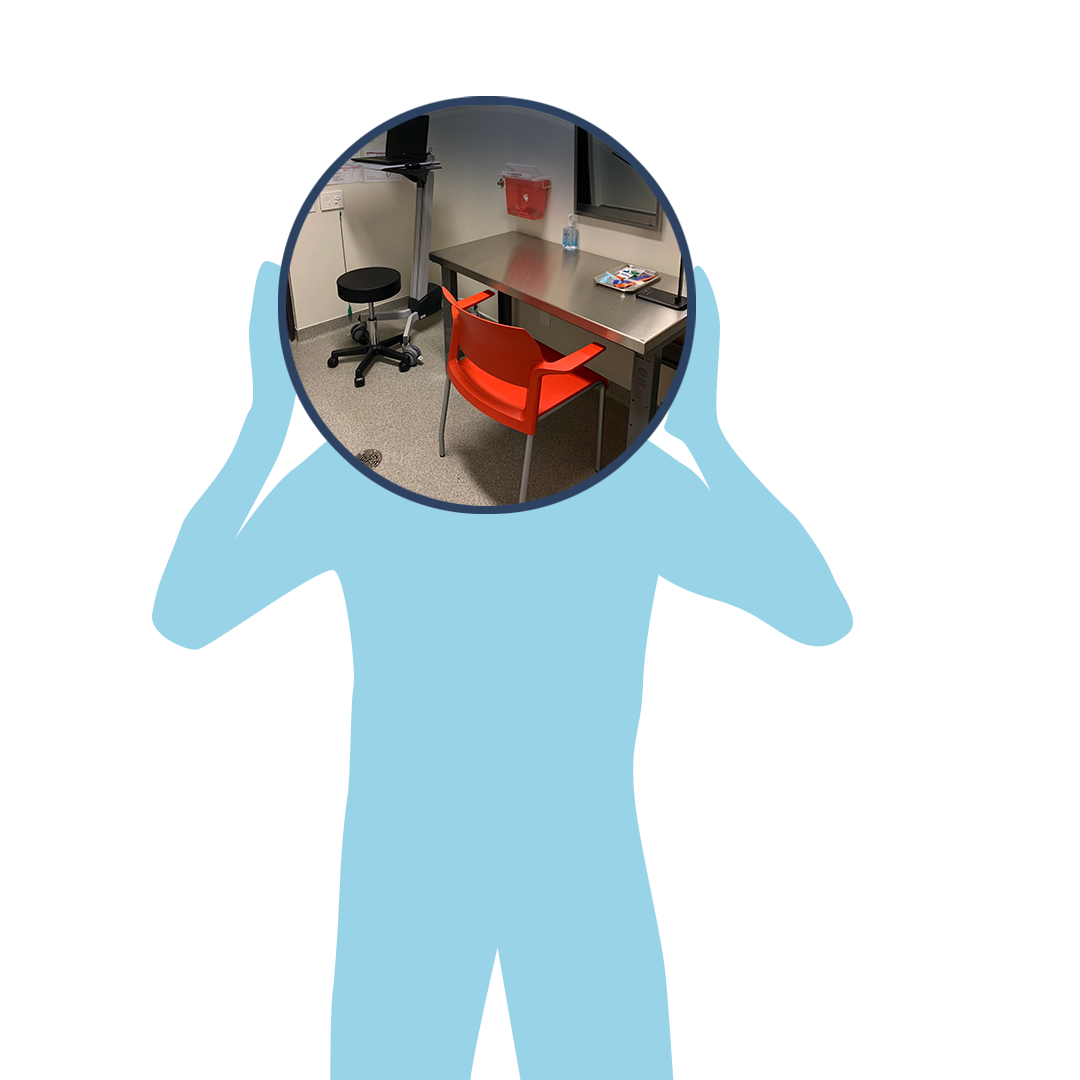
an image of an anonymous person holding a mirror reflecting the safe injection site.

Stigma and isolation
can be devastating

For people living with HIV, stigma is one of the most reported barriers to accessing health care. A strange look, a step back, doubling up on gloves, or isolating someone in a separate room— actions like these can lead to treatment avoidance and negative health care outcomes for people living with HIV.

Casey House worked to help improve health care experiences for people living with HIV by asking health care professionals, is Stigmavir right for you? With 12 little pills and an ‘HIV stigma-free’ toolkit, we provided a glimpse of what it’s like to experience stigma in medical settings.

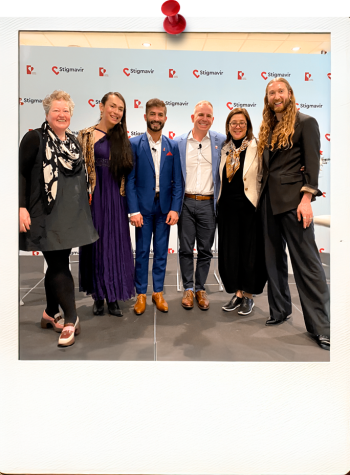
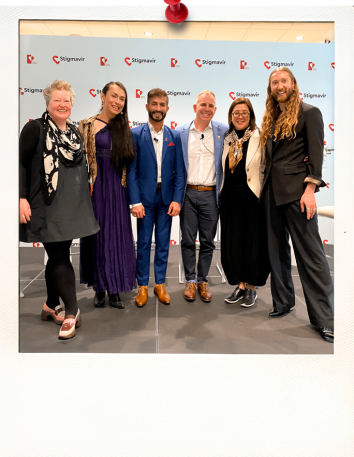
Polaroid_group_photo

Stigmavir was created to smash HIV stigma and invite health care professionals to create compassionate spaces for those living with or at risk of HIV. A fun and funny faux pharma ad offered a solution in the form of a pill to cure HIV stigma.

In addition to a catchy PSA, the campaign asked health care providers to help reduce HIV stigma by showing their commitment to creating safe spaces for people living with HIV. The website included an ‘HIV stigma-free’ toolkit with an HIV Stigma-Free symbol, similar to an LGBTQ+ friendly rainbow sticker, available for download.

It’s a feat only achievable through community. The campaign was informed by client and clinician voices and endorsed by City of Toronto Public Health; medical officer of health Dr. Eileen de Villa was part of the speaking panel at the launch.

200

MILLION MEDIA
IMPRESSIONS

1,000

DOWNLOADS

 1/3

OF ALL VISITORS
EXPLORED FURTHER

And it made an impact. From the opening panel discussion, televised news segments, international reshares, visual displays across the TTC, and even a billboard in Yonge-Dundas Square, creating great media coverage with more than 200 million media impressions. There were over 1,000 downloads and in its first two months a full third of all stigmavir.ca visitors explored further and learn about what HIV stigma-free care looks like.

Stigmavir may not be real, but HIV stigma in health care is. Positive health care spaces are ones where HIV+ clients feel welcome and respected.

Stigma and isolation can be devastating

For people living with HIV, stigma is one of the most reported barriers to accessing health care. A strange look, a step back, doubling up on gloves, or isolating someone in a separate room— actions like these can lead to treatment avoidance and negative health care outcomes for people living with HIV.

Casey House worked to help improve health care experiences for people living with HIV by asking health care professionals, is Stigmavir right for you? With 12 little pills and an ‘HIV stigma-free’ toolkit, we provided a glimpse of what it’s like to experience stigma in medical settings.

Stigmavir was created to smash HIV stigma and invite health care professionals to create compassionate spaces for those living with or at risk of HIV. A fun and funny faux pharma ad offered a solution in the form of a pill to cure HIV stigma.

StigmavirJune_350px

In addition to a catchy PSA, the campaign asked health care providers to help reduce HIV stigma by showing their commitment to creating safe spaces for people living with HIV. The website included an ‘HIV stigma-free’ toolkit with an HIV Stigma-Free symbol, similar to an LGBTQ+ friendly rainbow sticker, available for download.

It’s a feat only achievable through community. The campaign was informed by client and clinician voices and endorsed by City of Toronto Public Health; medical officer of health Dr. Eileen de Villa was part of the speaking panel at the launch.

Polaroid_group_photo

200

MILLION MEDIA
IMPRESSIONS

1,000

DOWNLOADS

1/3

OF ALL
VISITORS
EXPLORED
FURTHER

And it made an impact. From the opening panel discussion, televised news segments, international reshares, visual displays across the TTC, and even a billboard in Yonge-Dundas Square, creating great media coverage with more than 200 million media impressions. There were over 1,000 downloads and in its first two months a full third of all stigmavir.ca visitors explored further and learn about what HIV stigma-free care looks like.

Stigmavir may not be real, but HIV stigma in health care is. Positive health care spaces are ones where HIV+ clients feel welcome and respected.

Meet
Craig and Kristin
Shannon

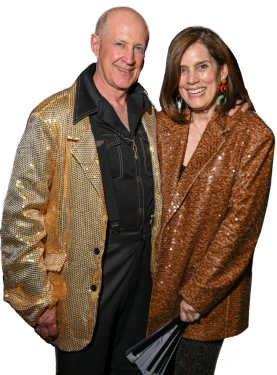
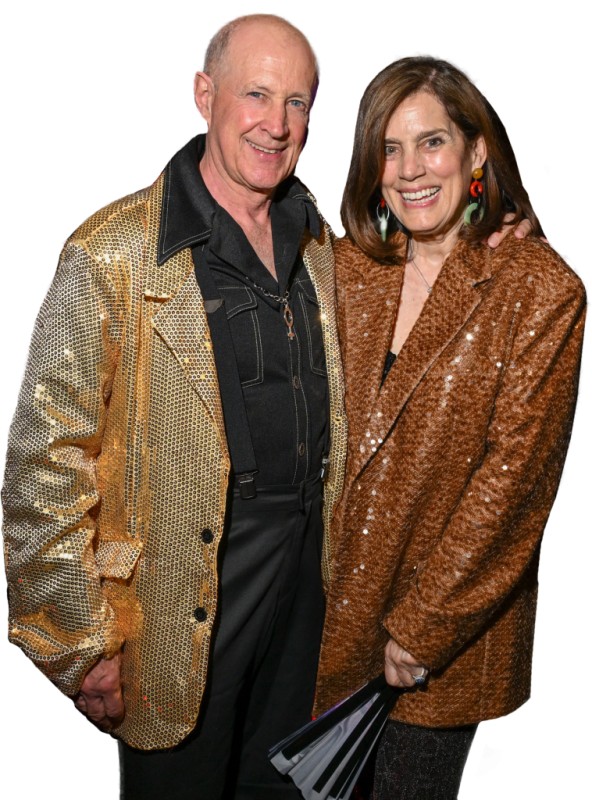
A photo of Craig and Shannon in their sparkly disco attire. Craig has his arm around Shannon and both have large smiles. Craig's jacket is gold sparkles and Shannon's jacket is copper sparkles.

Meet
Craig and Kristin
Shannon

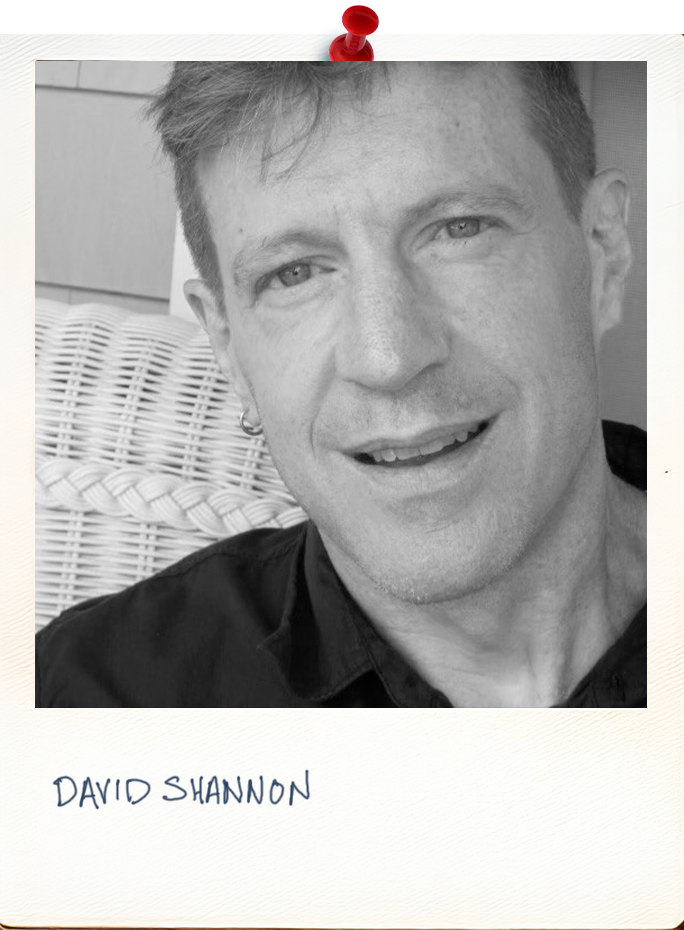
A photo of David Shannon stylized in a polaroid photo border. A man l wearing a black t-shirt. David is looking directly at the camera. With a gentle smile. The image includes his head and shoulders.

As family members, volunteers, and donors, Craig and Kristin Shannon are dear friends of Casey House.

David’s Disco is named for Craig’s brother, David Shannon, who was a journalist and HIV activist who also loved a good party. He died at Casey House in 2018.

Craig and Kristin recount how impressed David’s family was by the staff’s empathetic and compassionate care. They were inspired to return to Casey House after his death to discuss how they could give back to, and thank, the hospital for how they were treated.

The couple became co-chairs and founders of what has become one of the Foundation’s marquee fundraisers, David’s Disco.

They both express how fulfilling it is to work with the Foundation team and the David’s Disco volunteer committee. And mention the positive response they receive upon approaching their community of friends, colleagues, and business contacts for support.

After two years of incredible success, what motivates them to stay involved?

“The great need in our communities continues and we’re very well positioned to help”

Craig and Kristin Shannon

Craig has even expanded his involvement by becoming a member of the Foundation committee of the hospital’s board of directors.

The family and friends David left behind are committed to ensuring the kind of health care they received at Casey House continues to be available to others, whenever they might need it.

smoke machine fog drifting upward

Dancing under
the disco ball

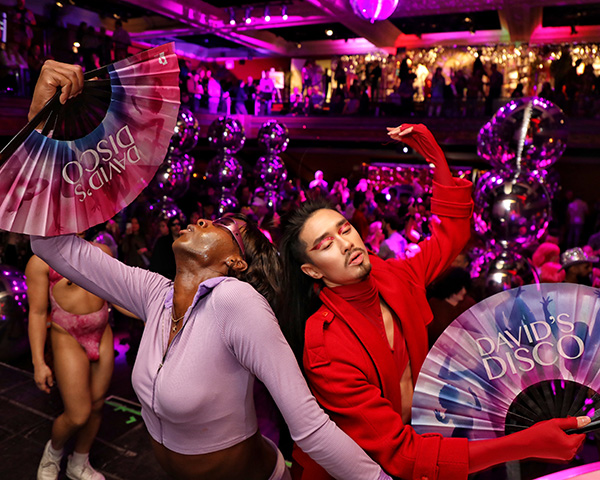
In its second year, David’s Disco 2025 hit another fundraising milestone, raising over $550,000 to fuel compassionate and dignified care for individuals with complex health needs, working towards improved wellness.

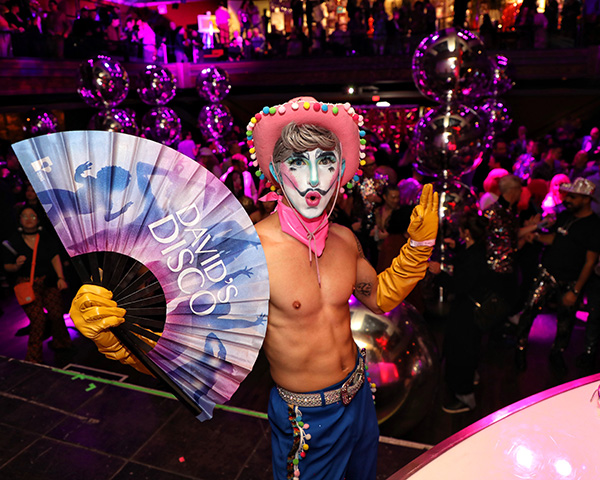
This fundraiser has glitz, glamour, and giving! Drag superstar Brooke Lynn Hytes took over the stage, the Skate Melanin Crew rolled their way through the crowd, and DJ Dancing Phil and his go-go dancers kept people glued to the dance floor. Over 600 people participated by coming out to boogie, making a bid in the silent auction, or purchasing a raffle ticket for a disco-ball sized diamond ring.

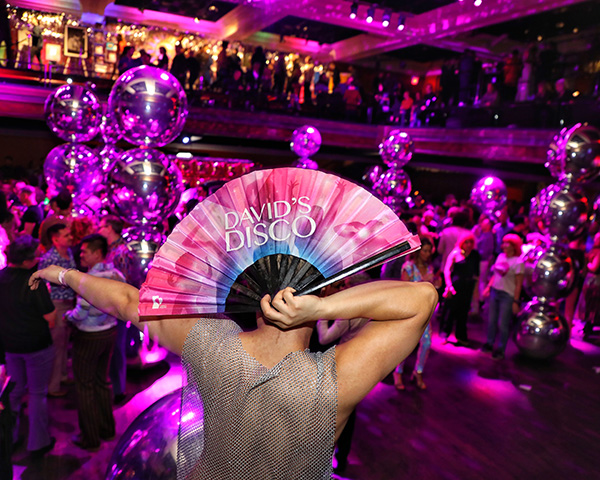
person in sparkly silver shirt dancing with a fan that reads David's Disco, under purply disco lights
Two people posing with David's Disco fans, striking a pose under purply disco lights.
shirtless, fit, young man with makeup that looks like a stylized cowboy with droopy mustache, holding a fan and wearing a pink cowboy had with colorful bobbles, under purply disco lights.

Glitz!

Glamour!

Giving!

Casey House is grateful to everyone who pulled out their glitz and their dancing shoes and joined us under the disco ball, and for the support of honorary co-chairs Glenn Pushelberg & George Yabu and superstars Elton John & David Furnish. Together with sponsors and a dedicated development committee they ensure that individuals living with and at risk of HIV receive the care, dignity, and support they deserve. 

Scroll through the photos here.

Photos: Mitchel Raphael

Dancing under
the disco ball

In its second year, David’s Disco 2025 hit another fundraising milestone, raising over $550,000 to fuel compassionate and dignified care for individuals with complex health needs, working towards improved wellness.

This fundraiser has glitz, glamour, and giving! Drag superstar Brooke Lynn Hytes took over the stage, the Skate Melanin Crew rolled their way through the crowd, and DJ Dancing Phil and his go-go dancers kept people glued to the dance floor. Over 600 people participated by coming out to boogie, making a bid in the silent auction, or purchasing a raffle ticket for a disco-ball sized diamond ring.

person in sparkly silver shirt dancing with a fan that reads David's Disco, under purply disco lights
shirtless, fit, young man with makeup that looks like a stylized cowboy with droopy mustache, holding a fan and wearing a pink cowboy had with colorful bobbles, under purply disco lights.
Two people posing with David's Disco fans, striking a pose under purply disco lights.

Glitz!

Glamour!

Giving!

Casey House is grateful to everyone who pulled out their glitz and their dancing shoes and joined us under the disco ball, and for the support of honorary co-chairs Glenn Pushelberg & George Yabu and superstars Elton John & David Furnish. Together with sponsors and a dedicated development committee they ensure that individuals living with and at risk of HIV receive the care, dignity, and support they deserve. 

Scroll through the photos here.

Photos: Mitchel Raphael

Additional
Accomplishments

Designed
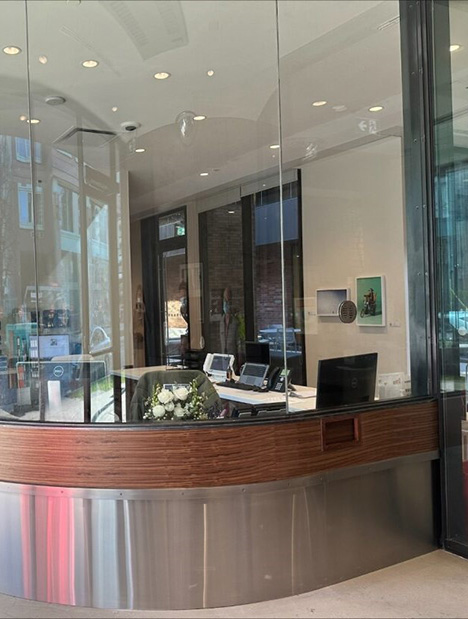
the new reception desk at Casey House. Rounded with a reflective bottom.

Re-designed the reception space at our main entrance to create a more inviting first impression. The client-informed design is more accessible and more inviting. The first few minutes of someone’s experience is vital, particularly for people who have had negative experiences with the health care system, like many of our clients

Quilt visits
ROM

Casey House’s 1991 memorial quilt was part of Royal Ontario Museum (ROM), Quilts: Made in Canada, which included 20 examples of quilting from the 1850s to the present. What a privilege to have a work that honours Casey House clients shown at such a prestigious institution.

An accompanying virtual panel discussion, Quilting for a Cause, about how quilts have the power to build resonating narratives featured Glenn Bell, a member of the Casey House quilting committee.
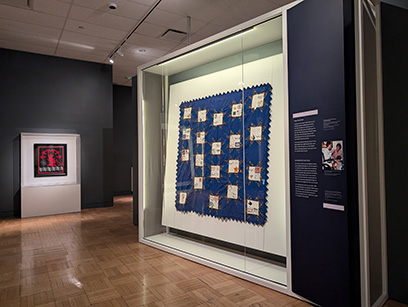
An image of the quilt from Casey House hanging in a protected glass case at the ROM. The quilt is navy with light colored squares. The photo is on an angle so the content of the squares cannot be determined.

Awarded

Casey House staff won awards

Physician Trevor Morey for Excellence in Research (Early Career Researcher) from the University of Toronto’s department of family and community medicine


Chief medical officer Edward Kucharski for Excellence in Social Responsibility from the University of Toronto’s department of family and community medicine
Physiotherapist

Carolann Murray received the Elisse Zack Award for Excellence in HIV and Rehabilitation from Realize

Latinos Positivos recognized Blue Door Clinic lead Sarah Ionson with a community ally award and director of service design Alessandro Bisignano for leadership on the steering committee

Installed

Installed a new land acknowledgement prominently displayed in the glass vestibule at our front door in collaboration with our Indigenous advisory group, including a graphic of an eagle feather we use for smudging.
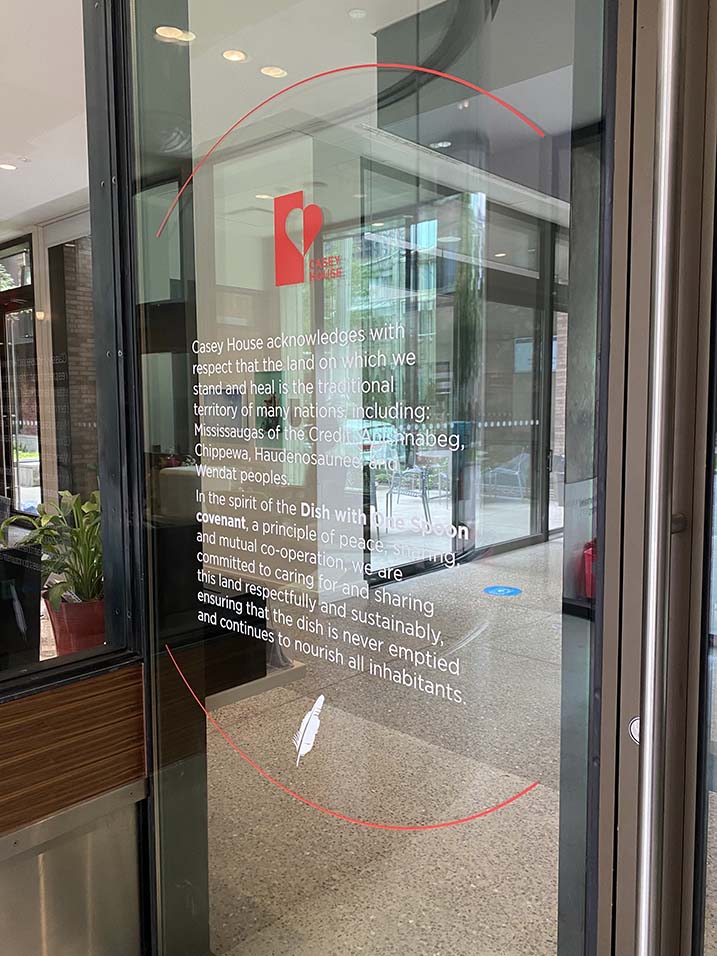
an image of the land acknowledgement on an interior glass door. The Casey Logo is at the top followed by the acknowledgement in white with an image of a white eagle feather placed after the acknowledgment.
Marched

Marched in Toronto’s Pride parade with clients, volunteers, donors, staff, and friends
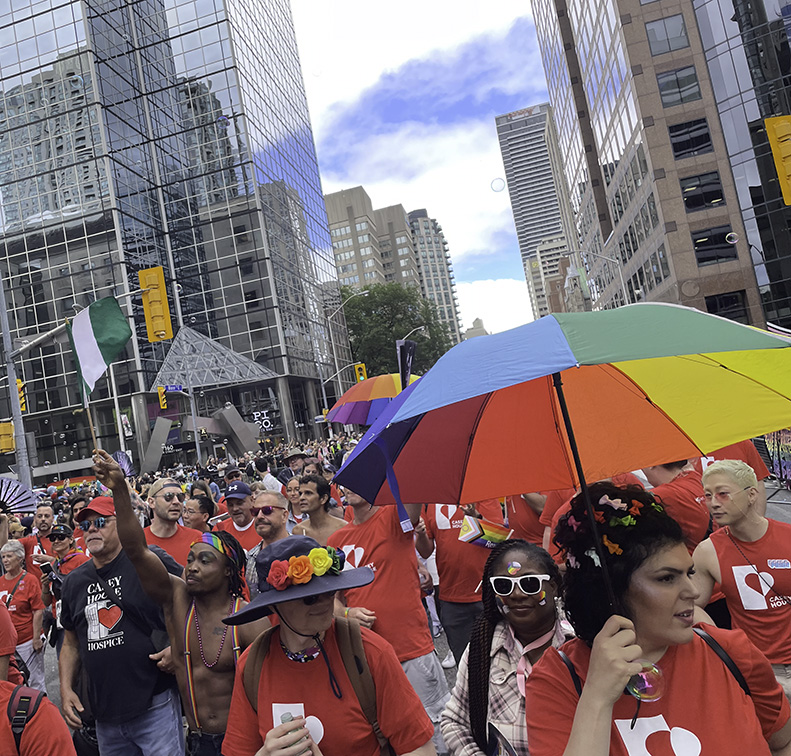
A diverse group of people marching amongst tall buildings in downtown Toronto. Most people are wearing red Casey House T-shirts and a woman in the foreground is carrying a rainbow umbrella.
Proud
Blue Door Clinic

Host of Blue Door Clinic, which provides interim health care and social supports for people living with HIV in the greater Toronto area who do not have health insurance coverage or access to HIV medication

Launched

a Trans Health Hub, which started with a new transgender advisory group that is looking at the needs for health care access and navigation
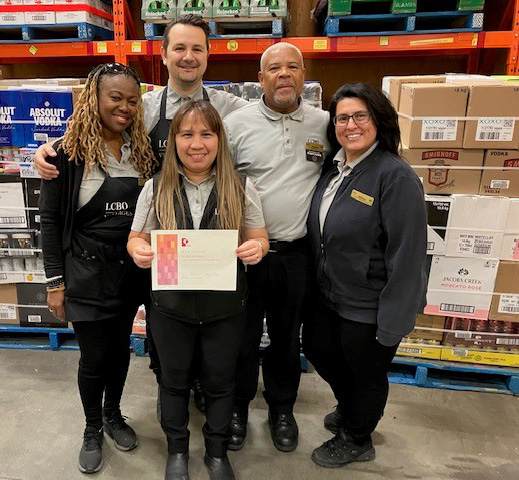
a group of LCBO warehouse employees posing with a thank you certificate from Casey House for their initiative, "Love Wins"

Generates

LCBO’s Love Pairs With Everything Pride campaign generates $250,000 for Casey House

Installed

Installed SASSY (safely access services and supplies for you), two harm reduction vending machines that distribute free sexual health supplies, clean needles, pipes, naloxone, and other supplies for safer drug use, as well as help to access local resources
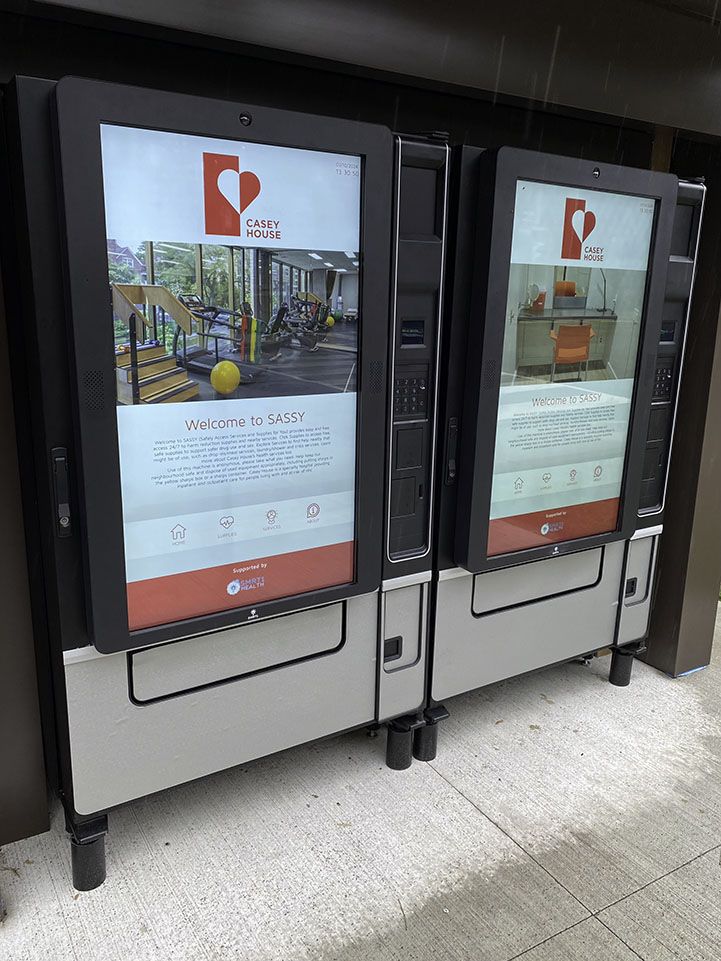
Two "SASSY" vending machines, side by side.
Awarded

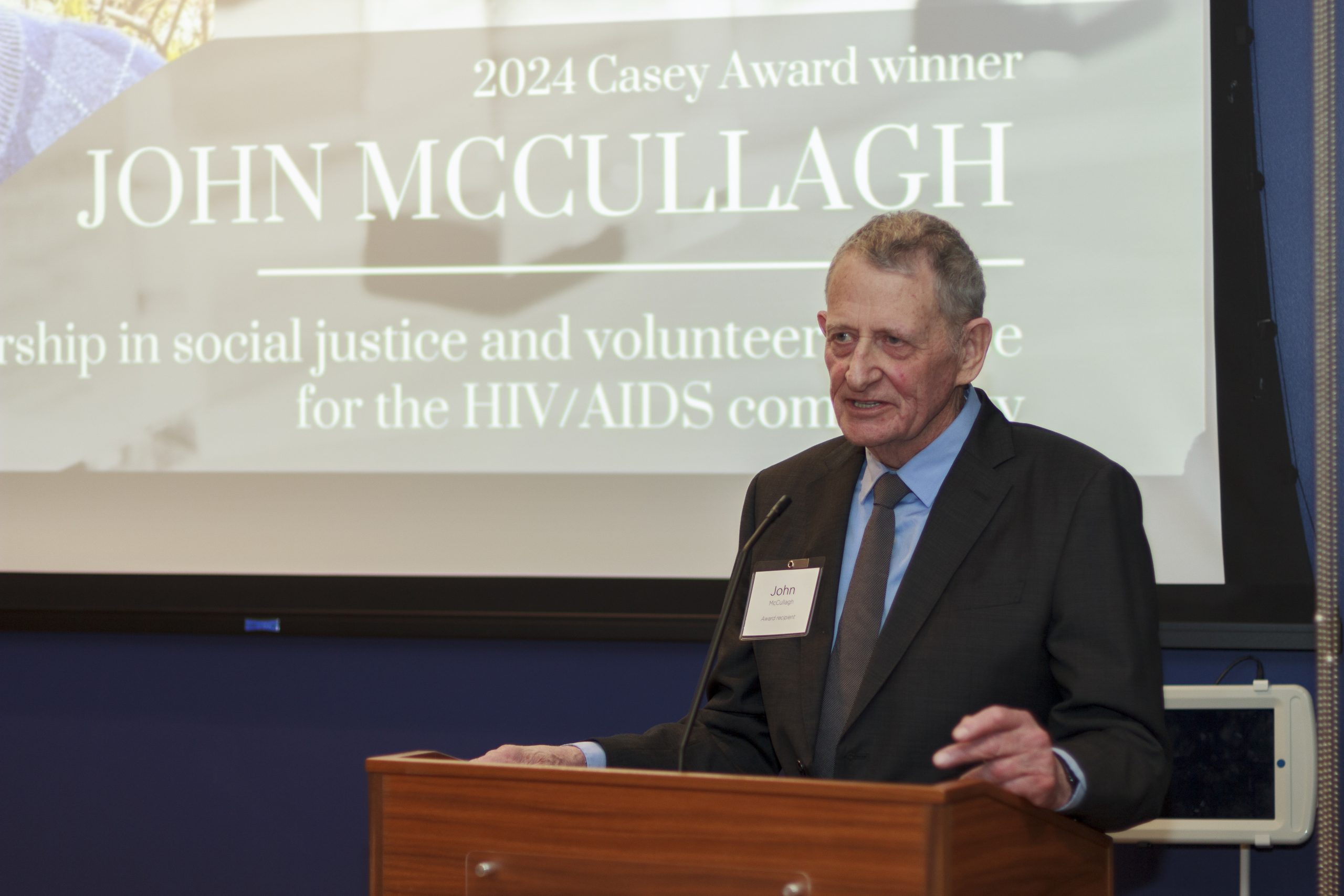
Awarded five recipients Casey Awards.
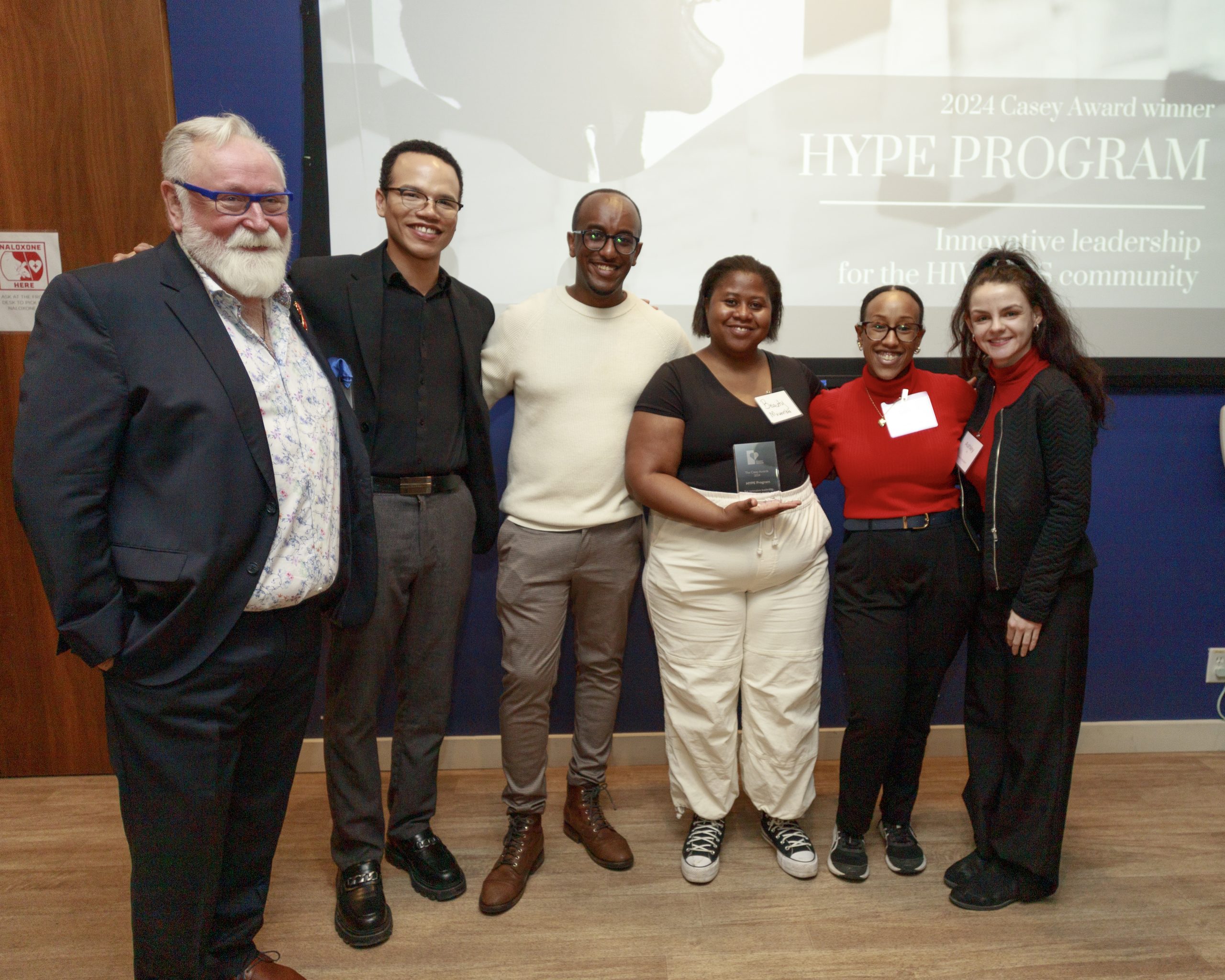
Find photos and read a tribute to each recipient at caseyhouse.caseyhouse.ca:

Leadership in HIV/AIDS or social justice

  • John McCullagh
  • Deborah Norris
  • HYPE Program (AIDS committee of Durham)

Volunteer

  • Shirley Young

Philanthropist

  • Paul Austin

Debuted

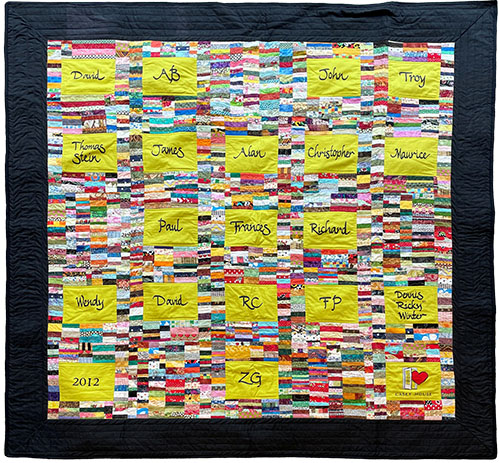
a new memorial quilt – The volunteer quilting committee completed a beautiful quilt honouring clients who passed away in 2012
Celebrated

Celebrated Casey House lead founder and nationally acclaimed journalist June Callwood’s 100th birthday, remembering her words, “We are all capable of a bit more humanity than we can imagine.”
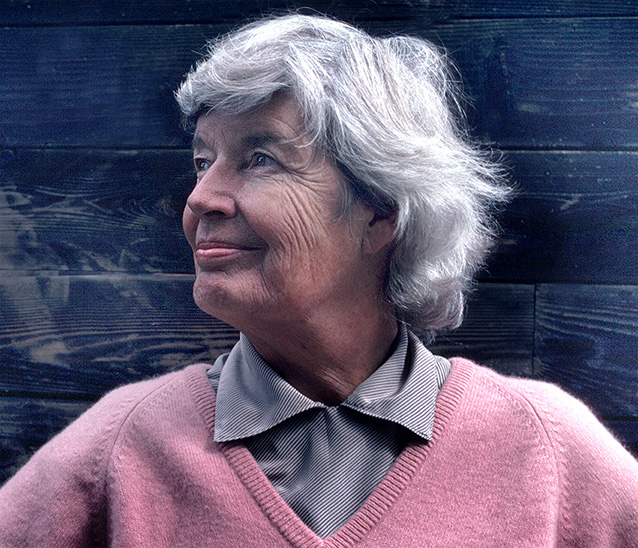
An image of June Callwood wearing a pink wool v neck sweater and a black and white striped shirt underneath that. She has grey hair and her expression is one of pride and confidence.

Kicked Off

NERD

Kicked off Casey House’s NERD project (new electronic record database) with hospital partner Mackenzie Health to transition to Epic systems for electronic medical records and charting.
 

Partnered

CAHR_logo_image

with Dr. Peter Centre to present at CAHR

Held
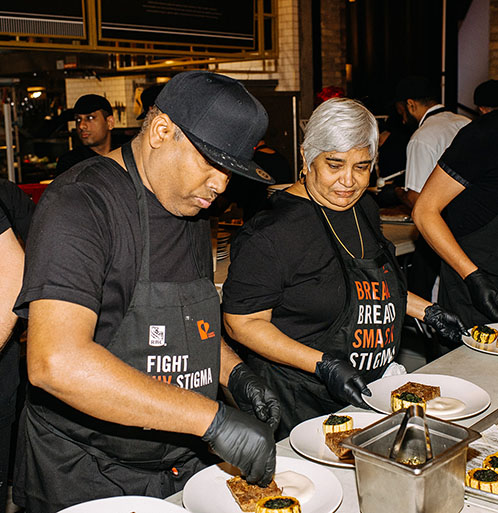
Food being prepared to go to the tables behind the scenes, at June's HIV Eatery

Held the final June’s HIV+ Eatery. The last fantastic food-based fundraiser for the Foundation raised just shy of $195,000 in support of care for our clients.

June’s HIV+ Eatery wasn’t just a dining experience; it was a movement that challenged stigma and sparked conversations that matter. Every shared meal was an act of solidarity, a reminder that food can bring people together and break down barriers. Its legacy lives on in the way it changed perceptions and created space for dialogue. June’s HIV+ Eatery showed that advocacy can be creative, joyful, and deeply human—and that gathering around a table can nourish both body and change.

Attends

A colorful geometric design composed of shapes in yellow, red, blue and black. The letters of the logo beside the design read, "IAS"

Staff attend AIDS 2024, the International AIDS Conference in Munich, Germany

Achieved

Achieved Accredited with Commendation status from Accreditation Canada’s QMentum Global accreditation program

ACSealAwC

Premiered

A co-production of Casey and Diana by Nick Green ran at Theatre Aquarius, Hamilton and Royal Manitoba Theatre Centre, Winnipeg; Neptune and the play about our most famous visitor was published

An actor who played Lady Di in Casey and Diana.

Launched

an online incident reporting and management tool available to all staff to report and track incident follow-up actions, and assist with root cause analysis

Launched
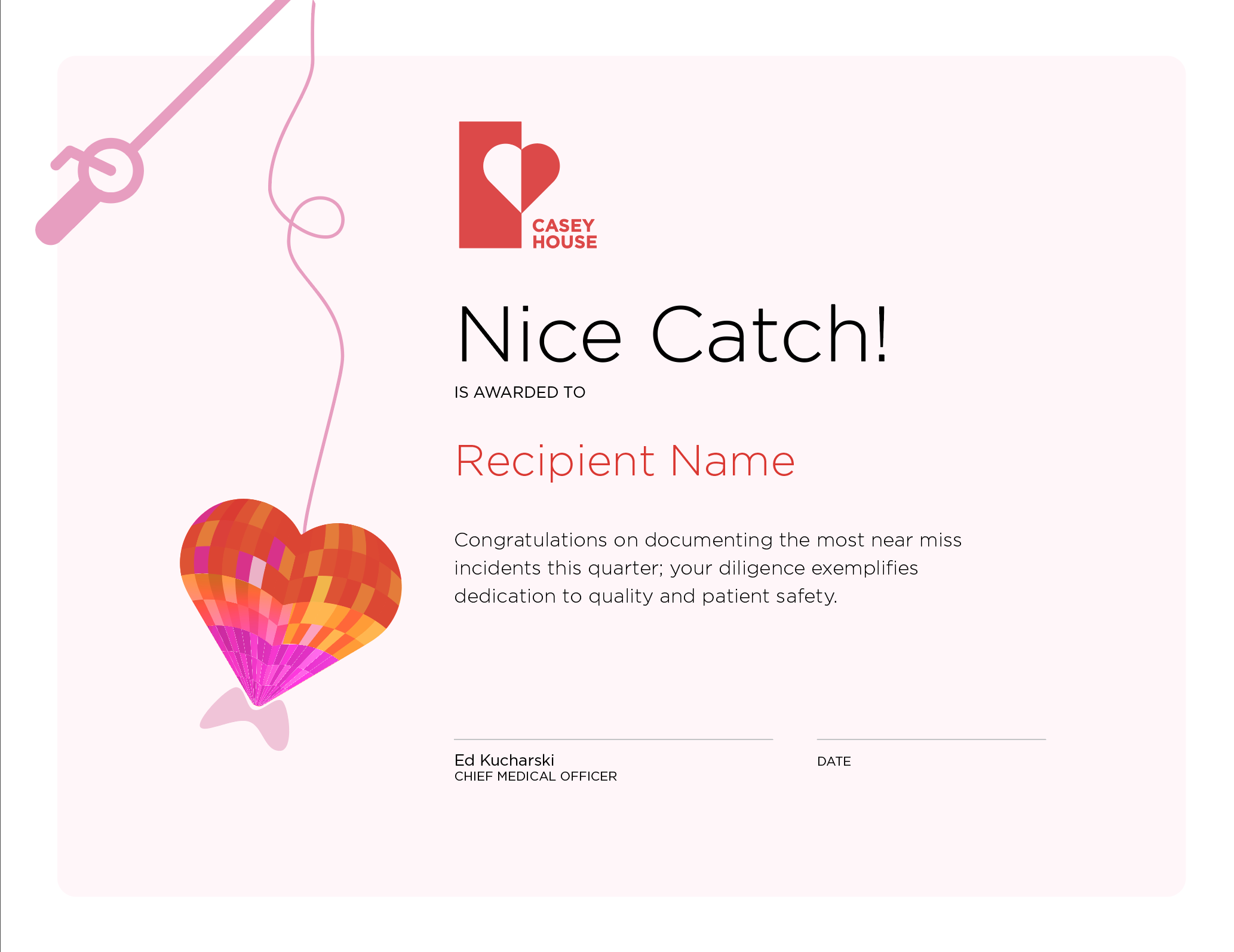
Nice Catch Awards for staff who document a near miss, a safety incident that didn’t reach clients or staff and therefore did no harm. Our teams use near miss information to improve safety by updating processes, systems, and policies before an incident that causes harm occurs
A certificate with a colorful heart dangling from a fishing/heart pole, with the text: "Nice Catch" and the text "Congratulations on documenting themes near miss incidents this quarter; your diligence exemplifies dedication to quality and patient safety.

Surpassed

Positively Speaking, our two-season, 12-episode podcast surpassed 5,000 downloads. It’s an incredible vehicle for sharing diverse and compelling stories from people living with HIV. Find it on our website here.

Positively Speaking, our two-season, 12-episode podcast surpassed 5,000 downloads. It’s an incredible vehicle for sharing diverse and compelling stories from people living with HIV. Find it on our website here.

Financial Highlights

FOUNDATION 
Revenue Sources

fundraising events
corporations and foundations
individual donations
investments & other income
In-kind donations
Bequests

HOSPITAL 
Revenue Sources

Ministry of Health funding
Foundation grants
Annual recognition of capital funding
Other income (1%)

FOUNDATION 
Revenue Sources

fundraising events
corporations and foundations
individual donations
investments & other income
In-kind donations
Bequests (5%)

HOSPITAL 
Revenue Sources

Ministry of Health funding
Foundation grants
Annual recognition of capital funding
Other income (1%)

Hospital spending of grants from Casey House Foundation
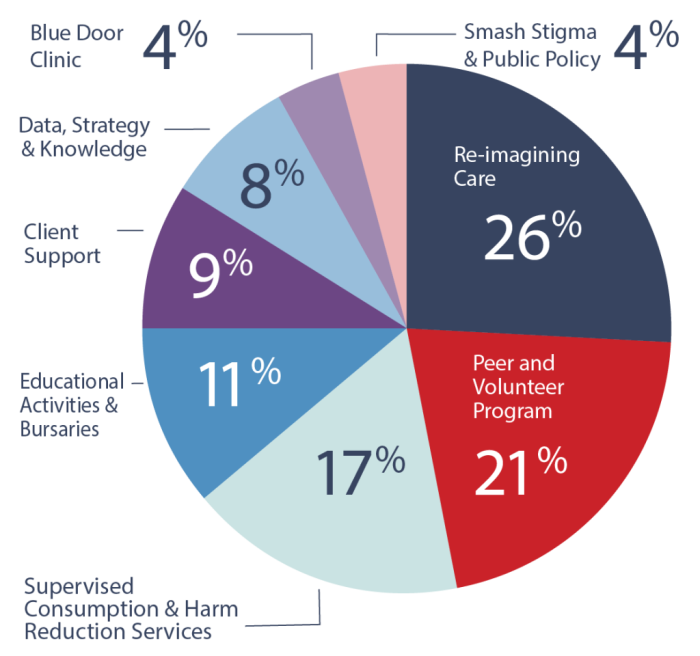
A pie chart outlining Hospital spending of grants. The percentages are as follows: Re-imagining Care 26%, Per and Volunteer Program 21%; Supervised Consumption Services 17%; Educational Activities & Bursaries 11%; Client Support 9%; Design, Strategy & Knowledge 8%; Smash Stigma & Public Policy 4%; Blue Door Clinic 4%

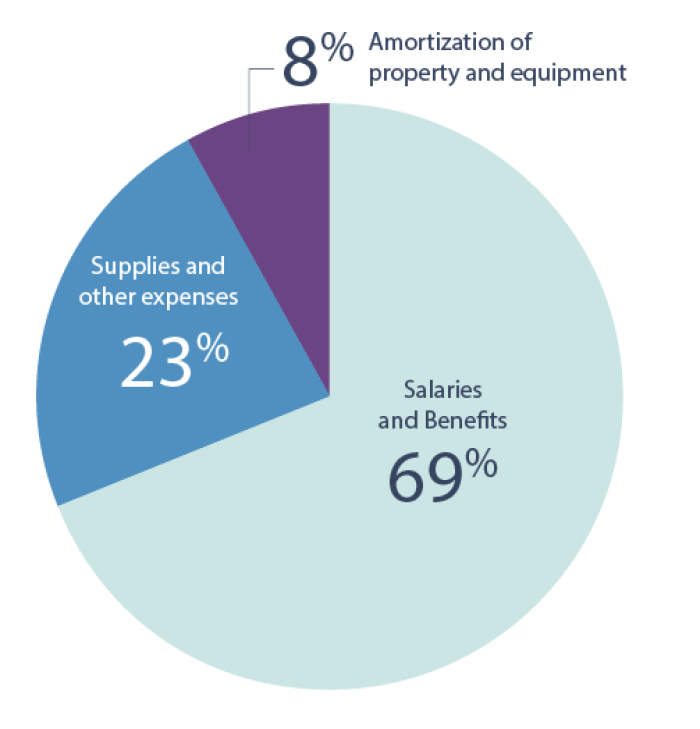
Hospital operating expenses

Hospital_Spending

We provide clients with
innovative comprehensive health care:

Inpatient
Care

Impact Report 2024/2025

Outpatient
Care

Impact Report 2024/2025

Blue Door
Clinic

Impact Report 2024/2025

Supervised
Consumption
services

Impact Report 2024/2025

Care design,
outcome measurement &
knowledge translation

Impact Report 2024/2025

There is no cost for
Casey House Services

We provide clients with
innovative comprehensive health care:

Inpatient
Care

Outpatient
Care

Blue Door
Clinic

Supervised Consumption
services

Care design, outcome measurement & knowledge translation

Impact Report 2024/2025

There is no cost for Casey House Services

Basic operating costs are funded by Ontario’s Ministry of Health.

Generous Donations
to Casey House Foundation

Transform lives and
health care through
compassion and social justice

Impact Report 2024/2025

Unequivocal
compassion

Impact Report 2024/2025

Informed, 
client-driven care

Impact Report 2024/2025

Deliberate
Inclusivity

Impact Report 2024/2025

Creative, mindful 
collaboration

Impact Report 2024/2025

Courageous
advocacy

Responsive Innovation

Responsive 
innovation

Impact Report 2024/2025

Unequivocal
compassion

Impact Report 2024/2025

Informed,
client-driven care

Impact Report 2024/2025

Deliberate
Inclusivity

Impact Report 2024/2025

Creative, mindful collaboration

Impact Report 2024/2025

Courageous
advocacy

Responsive Innovation

Responsive
innovation

Impact Report 2024/2025

We rely on the generous donations of our supporters to enhance our health care programs and capital projects. 

Support
Casey House today

416-962-7600 |  119 Isabella Street, Toronto, ON  M4Y 1P2

Charitable Registration No. 10687 8374 RR0001

Casey House acknowledges that the land we are built upon is the ancestral territory of the Indigenous People of Turtle Island.