
Impact Report
2025-26

Re-imagining
Care
This year saw the successful completion of the first Re-imagining Care project to redesign programs and services and increase our ability to meet clients’ needs. An evaluation of our outpatient services revealed 12 areas for improvement, labelled ‘problems to solve’. Considering each one will improve the experience for clients and increase engagement with health care.
As a first step, Casey House transformed how people become outpatient clients and how lunch functions to build an equitable and just environment for providing care to populations who have been, and continue to be, neglected, underserved, and excluded. And, to improve clients’ experience by providing structure and guidance for clinicians to provide care effectively and with compassion.
The team employed our three-phase co-design cycle – re-imagine, transform, sustain – which considers multiple perspectives as they play out in a service.
The lunch experience was improved with longer hours and better access to resources and clinicians. The process for becoming a client was simplified, making it easier and faster to connect people with the services they need.
The extensive collaboration through planning, co-design, testing, training, and execution resulted in strong commitment to the process from staff.
For example, motivated to contribute to the change, the kitchen team looked for ways to increase meal production and now make an average of over 325 meals each weekday, this represents a 150% increase in the number of lunches available. This is significant because food is medicine and lunch is one of the most popular outpatient services.
And not only for registered clients. Donor support let us start welcoming prospective clients for lunch. Doing so, and embedding structures to support client engagement during lunch, is enabling the team to more flexibly respond to the needs of people living with and at-risk of HIV, many of whom face significant socio-economic disparity.
Our experience shows that generating relationships leads people who have been historically excluded or experienced harm in this type of setting to access additional health care. The lunch program has become our entry to care; 80% of all new clients registered during the first three and a half months following implementation of the changes came through the lunch referral pathway.
We continually strive to provide better, more accessible services to our community. Re-imagining Care is an ongoing process, where we are learning, adapting, and improving.
Casey House
in a year

14
private inpatient rooms

24
hours of
care from nurses, physicians and allied health

90
inpatient admissions
(inpatient unit closed for 3 of 12 months)
29
days
average length of inpatient stay
33,315
outpatient client visits
1,462
outpatient clients

1,203
Blue Door Clinic visits

71,319
hot midday lunches served to clients
62%
percentage of clients with an HIV diagnosis
43
peers sharing their lived experience to support clients

12,745
hours of peer support for clients
1,801
visits to supervised consumption services (SCS)
63,497
kits of safer drug use supplies distributed
669
active volunteers

5,524
volunteer hours
Trans health hub
A new advisory group of trans people came together this year to begin building a network to improve health for their community.
Group members collaborated on the design of a community needs assessment, then identified and interviewed 45 trans-identifying individuals about their experiences with health care, asking people about their needs, what services and supports they would benefit from, and ways to make care provision more positive. The inquiry is essential because many trans people experience stigma and discrimination based on aspects of their identity when accessing services in the mainstream health system. Interview responses are being translated into recommendations for improving health care for trans, non-binary, and gender-diverse people, both here at Casey House and for other providers serving the trans community.
While the insights gained from the advisory group and the community needs assessment will be extremely valuable to shaping future care and programming for trans folks, the hub itself has already proved to be of great benefit to its members. The foundational outreach work built the members’ capacity to interview their community. In addition, advisory members, who were mostly women, describe the safety, learning, and sense of community they established as the group formed. Spending time sharing a meal, sharing lived experience, and offering the wisdom of experience bonded them.
Trans people don’t owe passibility to the cis community
– Trans hub member, Cattleya.
Participants support each others’ journeys through shared experience. For example, some reinforced that trans women shouldn’t need to conform to the heteronormative standards of cis women to be seen as women. “Trans people don’t owe passability to the cis community”, says member Cattleya.
Casey House’s new trans health hub is empowering the community to be at the forefront of improving stigma-free gender-affirming care.
This project was made possible with financial support from Women and Gender Equality Canada.
MEET
PEER TOM
“Being [a peer at Casey House] is my biggest accomplishment. I have finally my purpose in life! I’m 68 years old, and for me, it’s a new start.”
– Tom
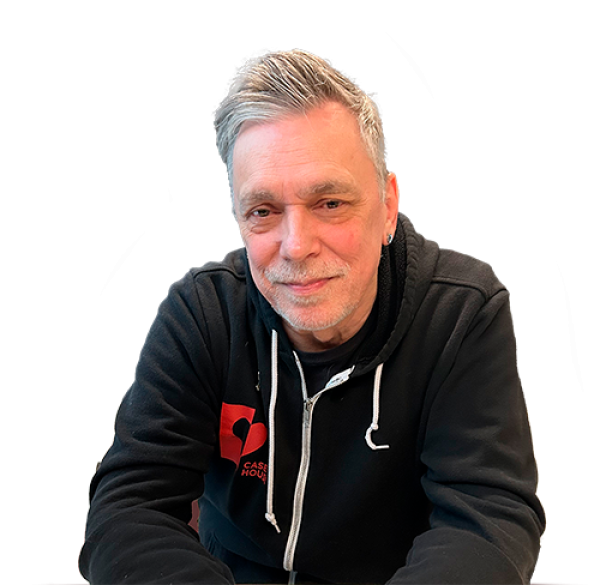
Tom is a peer who primarily works with our supervised consumption services (SCS). He first heard about the peer program while attending lunch as a client. Tom decided to be vulnerable and apply, leveraging his experiences with mental health challenges, substance use, and social isolation.
At the SCS, Tom builds relationships with clients by providing warm conversation, harm reduction and health promotion tips, and by meeting folks where they are at on a given day. He assists clinical staff to monitor clients for adverse reactions such as overdoses and offers snacks and an opportunity to rest in the SCS lounge. Being a familiar face goes a long way for many of our clients, many of whom experience stigma and social isolation due to unstable living conditions. Tom appreciates these opportunities to connect and learn more about each person.
“Tom cares and supports everyone he [works with] with at Casey House. His caring knows no limits. Even if he is running to a shift, he will always make time to say ‘Hello!’ and find out how you are – and really mean it.”
– quote from a Casey House client
Tom’s approach with clients goes above and beyond giving sterile equipment; he provides the compassion and advice he wishes he was given when he started using substances. More than a year into his role, he has heard about both successes and challenges clients disclose about their lives. Tom believes that lived experience will always have an essential role when providing care; truly understanding the intricacies of complex health challenges goes much deeper than what can be learned from a textbook or medical school. Read Tom’s full peer profile here.
Casey House held its first-ever peer graduation ceremony in January. Fourteen peers were recognized for completing more than two years of peer support for clients. Peers integrate their own lived experiences to assist clients accessing outpatient, inpatient, Blue Door Clinic, and accompanying them to external appointments.
Many clients are averse to engaging with health care institutions after encountering traumatic stigma or discrimination. Casey House peers help challenge these notions.
They provide a warm welcome and share firsthand knowledge navigating social services and systems while having multiple complex conditions. Peers employ their experiences of living with HIV, substance use, mental health challenges, and/or trans identity. Additionally, they complete skills-training incorporated in the program curriculum to bolster their own capacity.
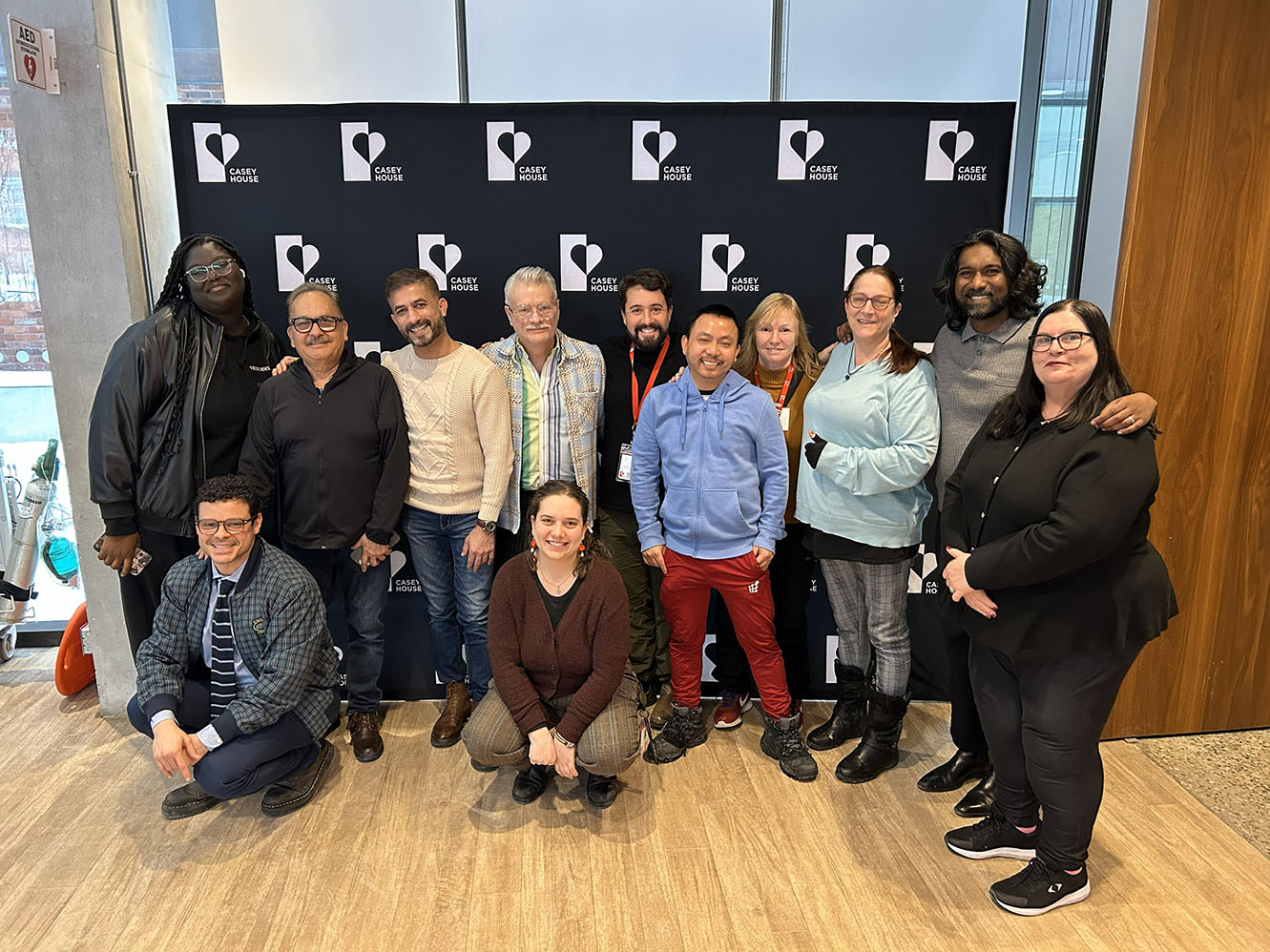
The first graduating cohort of Casey House peers
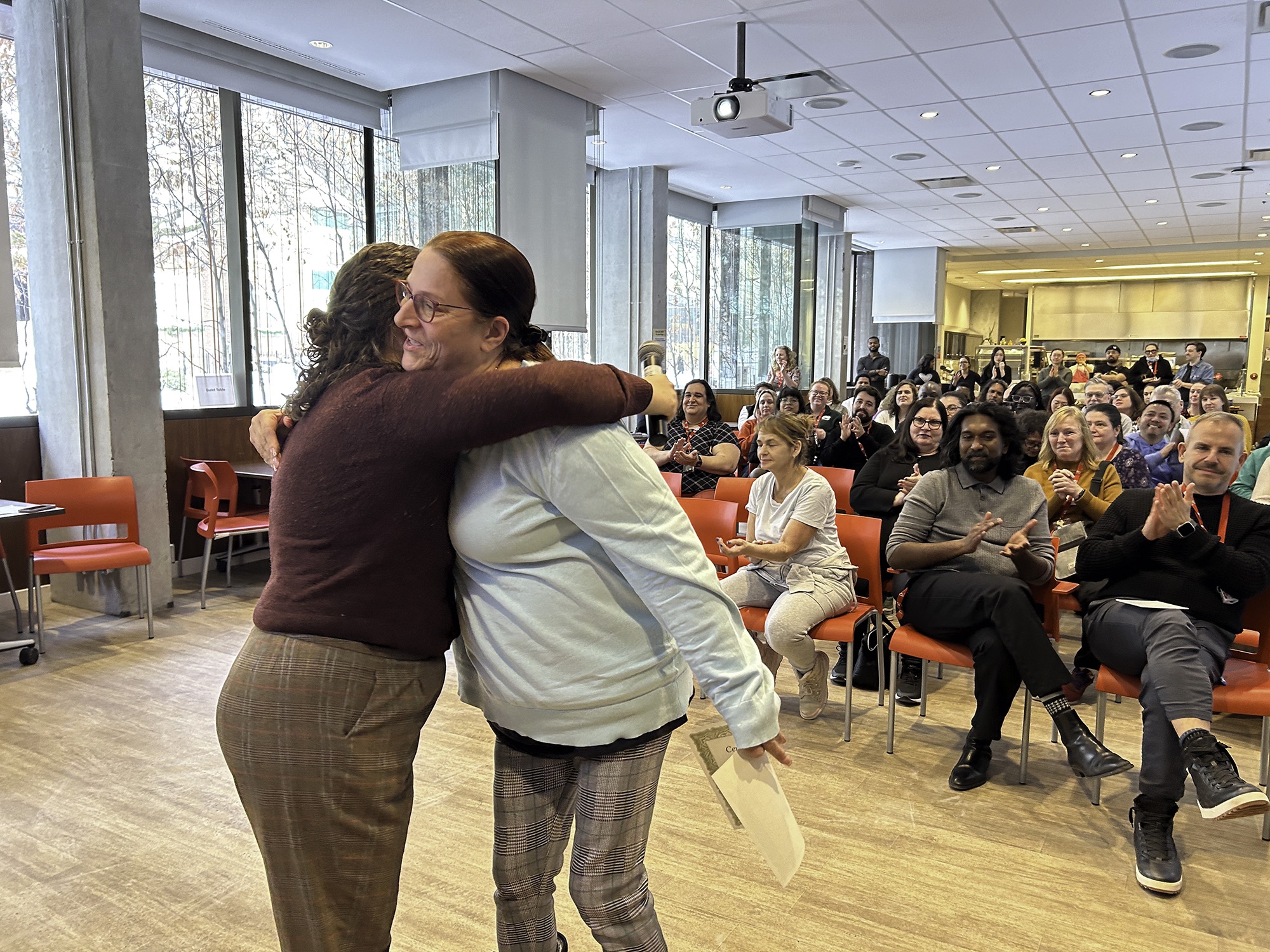
Peers were celebrated as they “walked the stage” and received a certificate of completion for the peer program.
You can find peers throughout Casey House: socializing with clients during lunch, leading tours of the hospital to prospective clients, monitoring folks for adverse effects after using the supervised consumption services, lending a listening ear to those admitted to the inpatient unit, translating for clients at Blue Door Clinic, or accompanying people to external health care appointments. Casey House peers have flexible roles and are empowered to take ownership in their own adaptive approach with clients.
Clients share that they greatly appreciate the meaningful connections, mutual respect, and detailed level of care provided by peers. This holistic approach improves client health outcomes when they have the guiding support of a peer to help them navigate their health goals.
After completing their term, peers often move on to find employment in related fields. We are especially pleased that one of this year’s graduating peers received a full scholarship for a community health worker training program! The hands-on program affirms the tremendous value of lived experience, compassion, and community building in clinical care. While we were sad to see this amazing group leave, we look forward to the next chapters of their journeys and to seeing the new cohort of peers become established at Casey House.
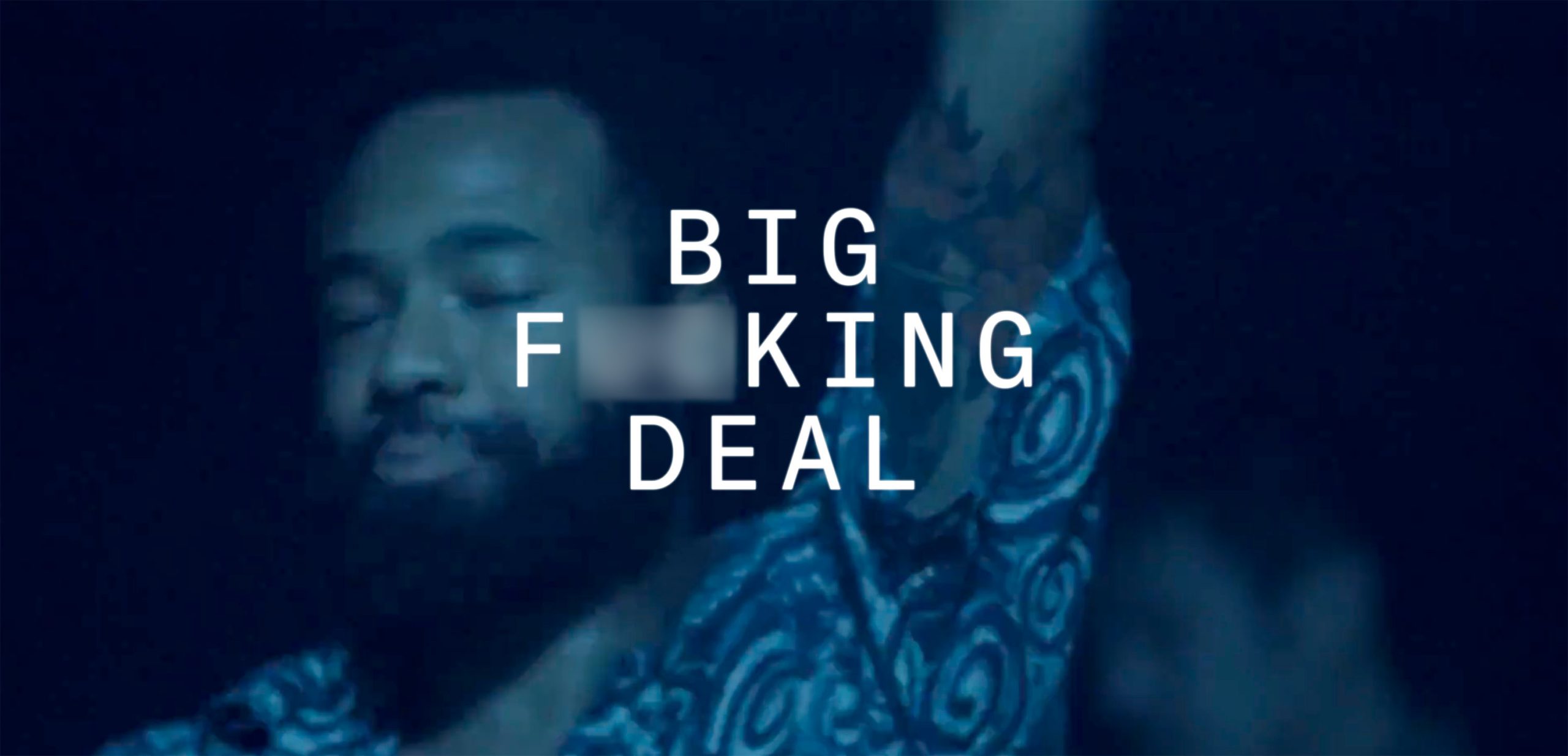
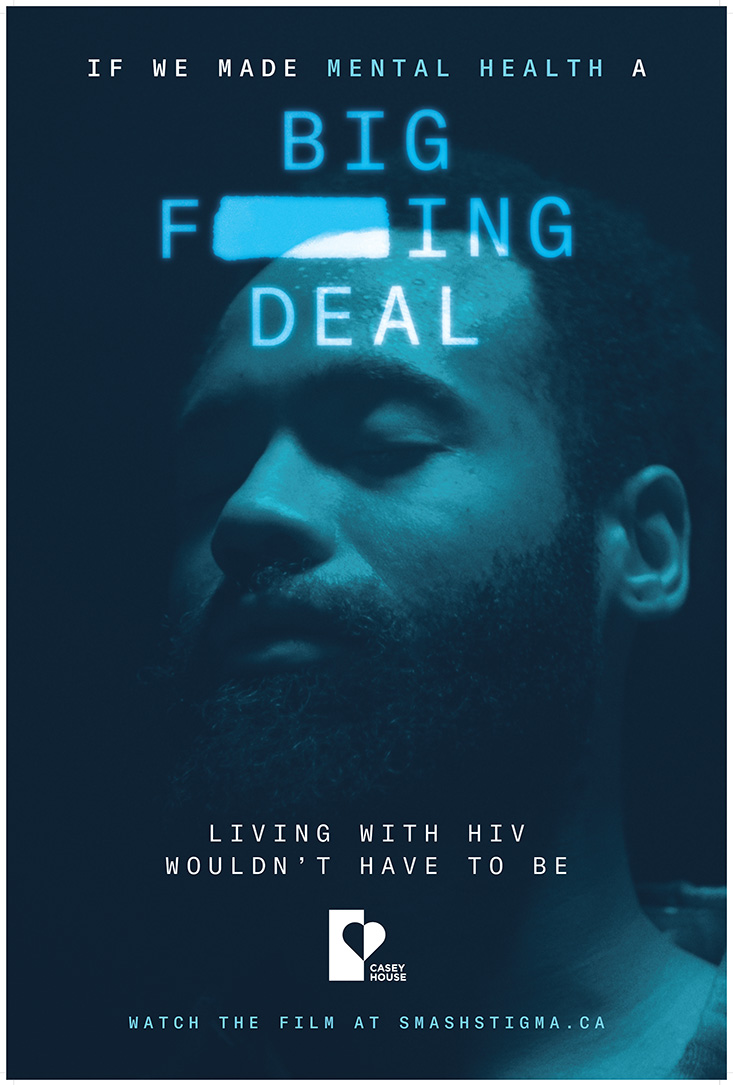
Big F*cking Deal
While HIV is medically manageable for many, the ability to access and sustain consistent HIV care is not equally shared. Casey House’s 2026 Smash Stigma campaign explores the stigma and systemic inequality people experience when living with HIV and additional challenges.
Big Fucking Deal is a short film directed by Academy Award–nominated filmmaker Hubert Davis.
The idea is that in a world where everyone has access to health care and a strong support system, HIV would no longer be a big fucking deal.
“It reminds you that stigma doesn’t always shout; often it
whispers.”
Ryan (pseudonym)
The film and accompanying campaign illustrate the compounding effects of stigma and systemic inequality for people living with HIV through fiction and storytelling.
The film connects viewers to the people Casey House serves: individuals with layered experiences who face barriers caused by the social and structural determinants of health. When living with HIV includes facing mental health challenges, substance use, unstable housing, or discrimination, treatment can quickly become impossible to maintain. The film brings those lived realities to the surface, showing how a treatable condition can turn into a life-shaping crisis.
The creative idea began with a simple insight: we often see unhoused people and look away. The campaign helps humanize those who are disregarded, especially people managing HIV without a strong support system. By inhabiting one man’s life, the story shows love, joy, loss, and deterioration, not as moral failures, but as the result of stigma, shame, and eroding mental health.
The film, its premiere, and the accompanying media campaign engender empathy by showing how easily any life can unravel.
Until HIV is no longer a big f*cking deal, Casey House builds trust with people unused to stigma-free health care.
Big Fucking Deal garnered over
VIEWS
on YouTube in just four months, in part thanks to advertising funded by the Ontario HIV Treatment Network.
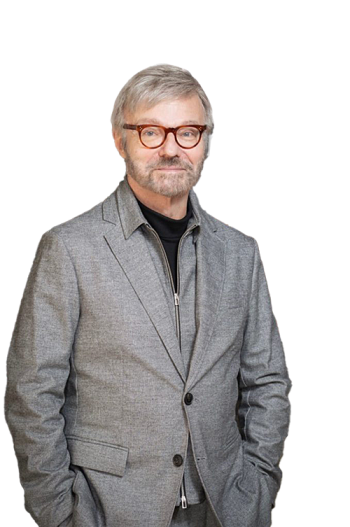
Paul Austin and the P. Austin Family Foundation gave a transformational million-dollar gift in support of the renovation to expand Casey House’s outpatient clinical care. The contribution to our newly renamed Paul Austin Outpatient Care Centre added six new clinical assessment rooms to the second floor, six new single-stall washrooms on the first floor, and supported the implementation of the hospital’s new electronic medical systems.
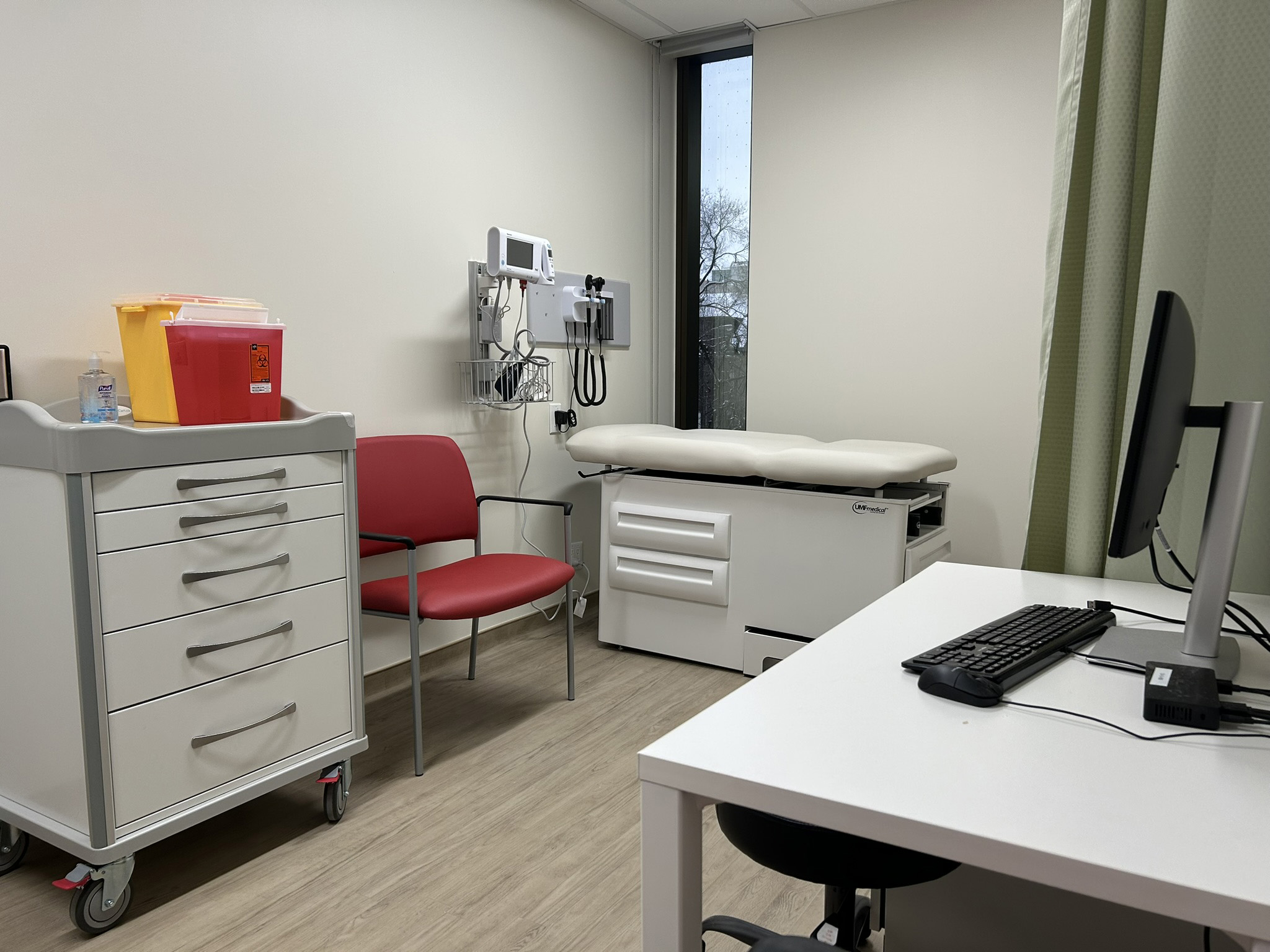
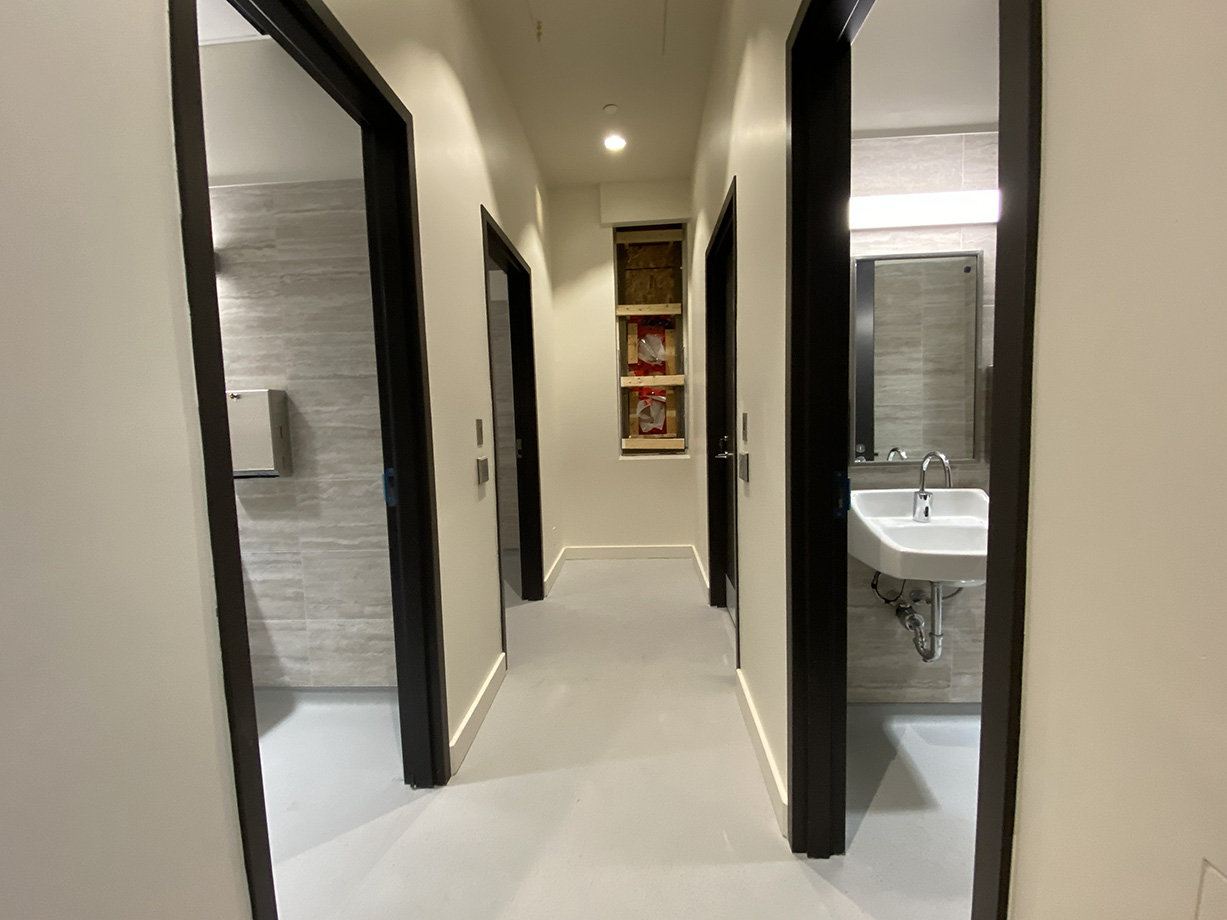
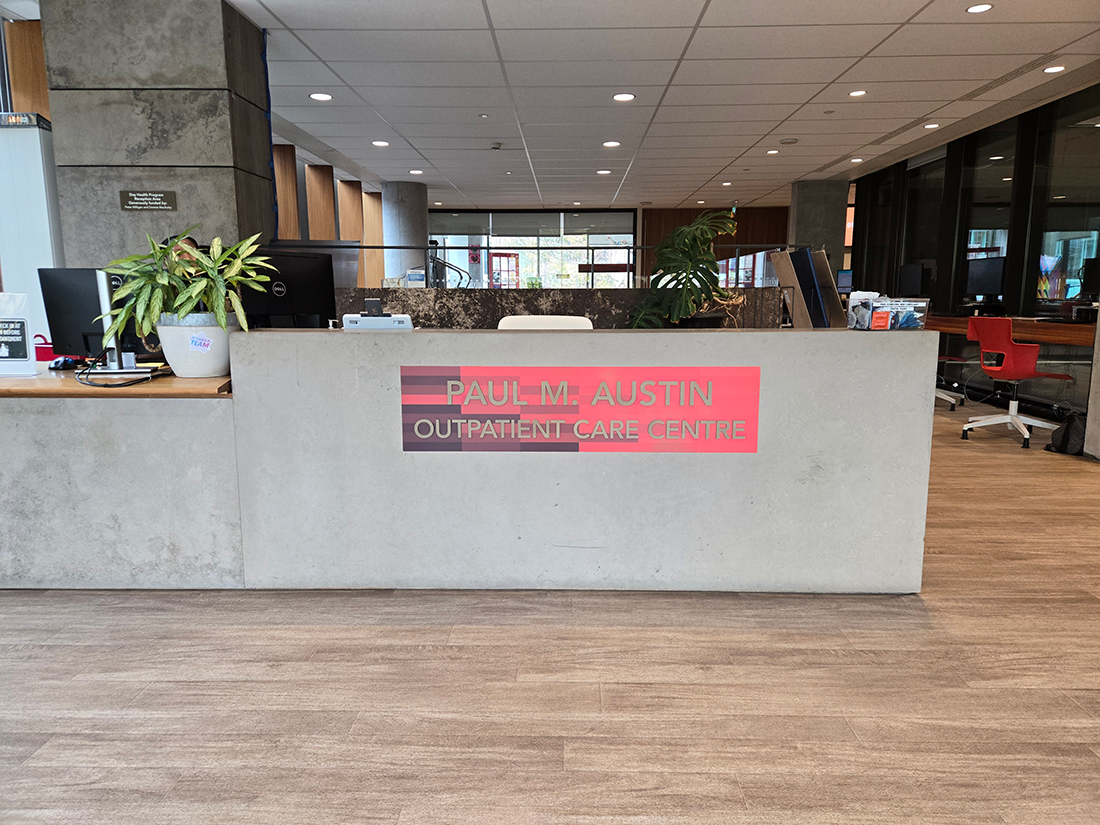
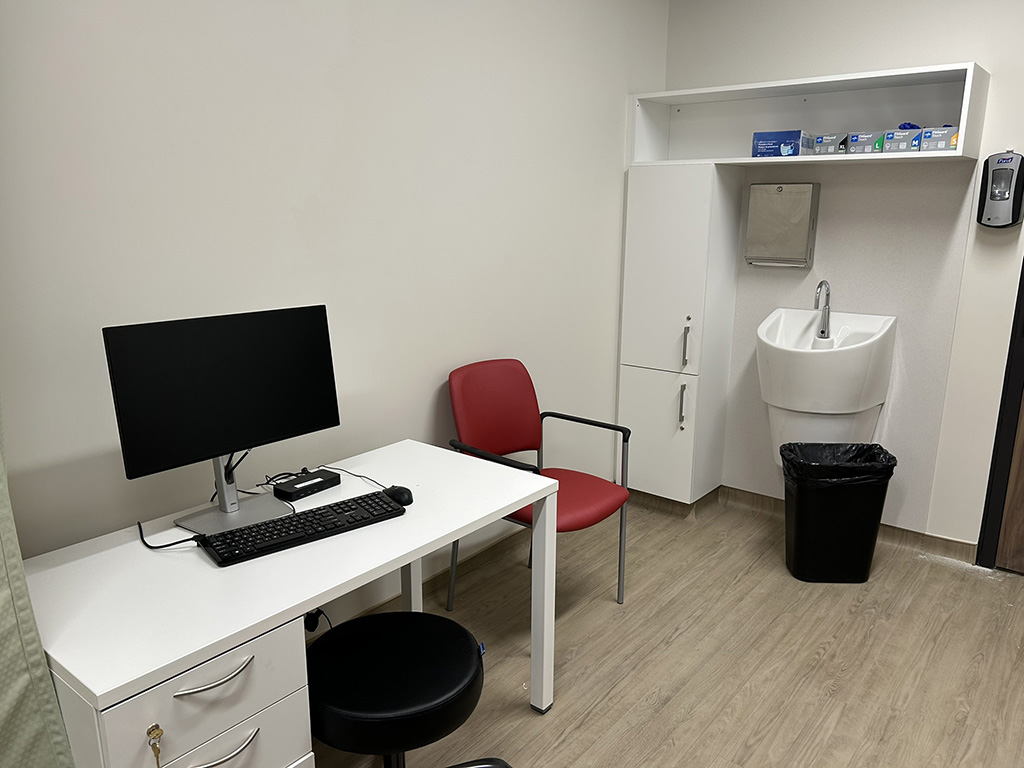
This generous gift comes at a critical time for Casey House, when the hospital is on the cusp of adding primary care, and as outpatient care visits have sharply increased in recent years due to the rising cost of living, increased HIV transmissions rates, and the closures of seven supervised consumption sites in Toronto.
Paul Austin is a proud supporter of accessible health care organizations and was honoured with a Casey Award in 2024.
“We have long championed the remarkable work of Casey House over the years and have supported organizations that help some of the most marginalized communities within our society. We are proud to support this initiative and help those in need.”
– Paul Austin
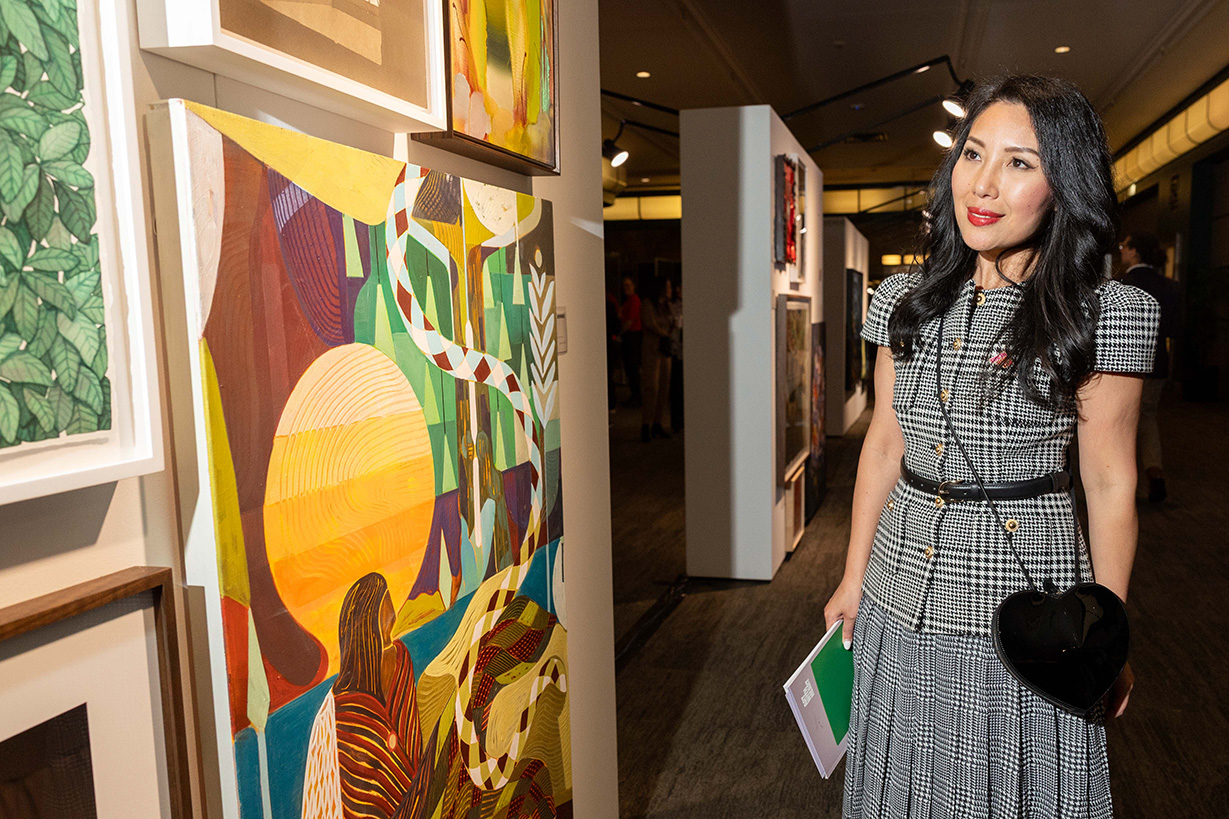
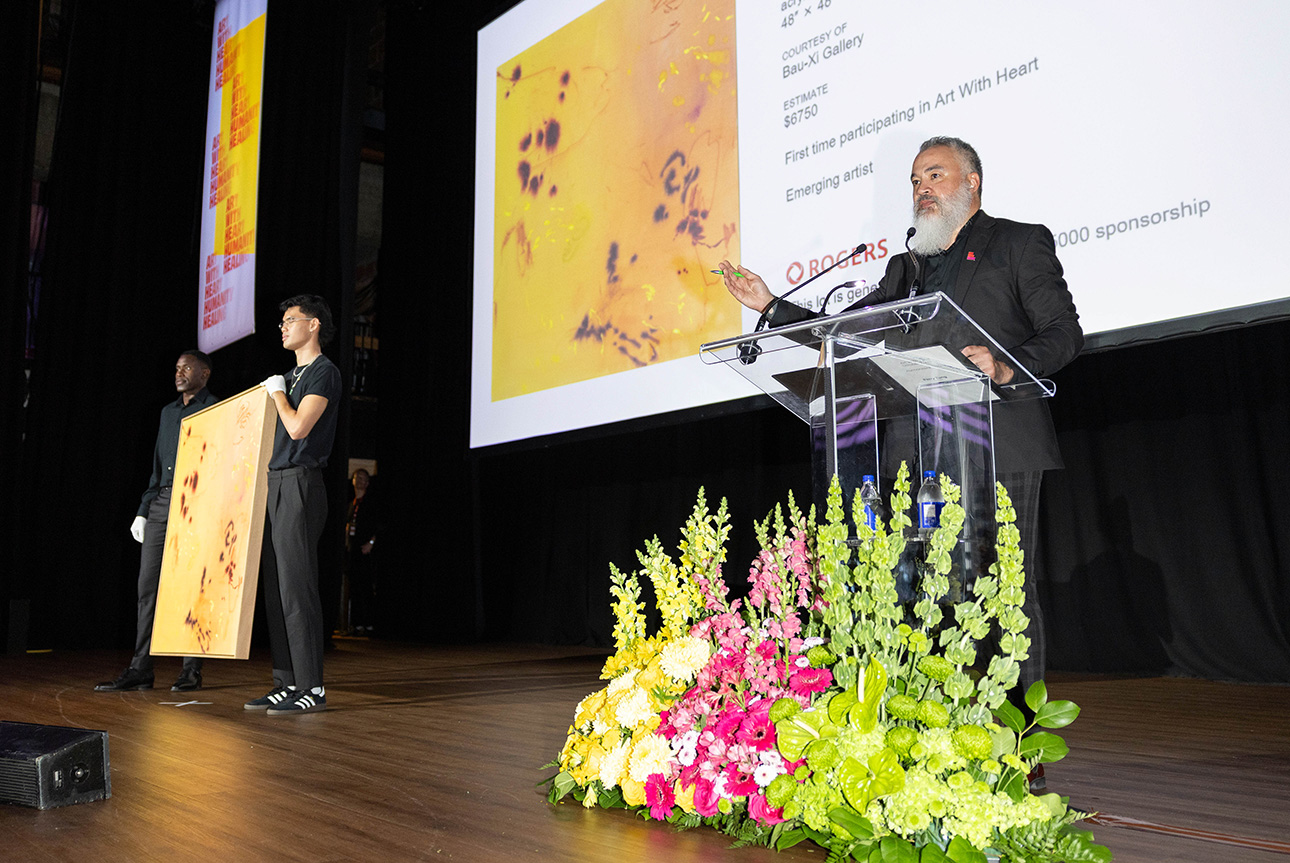
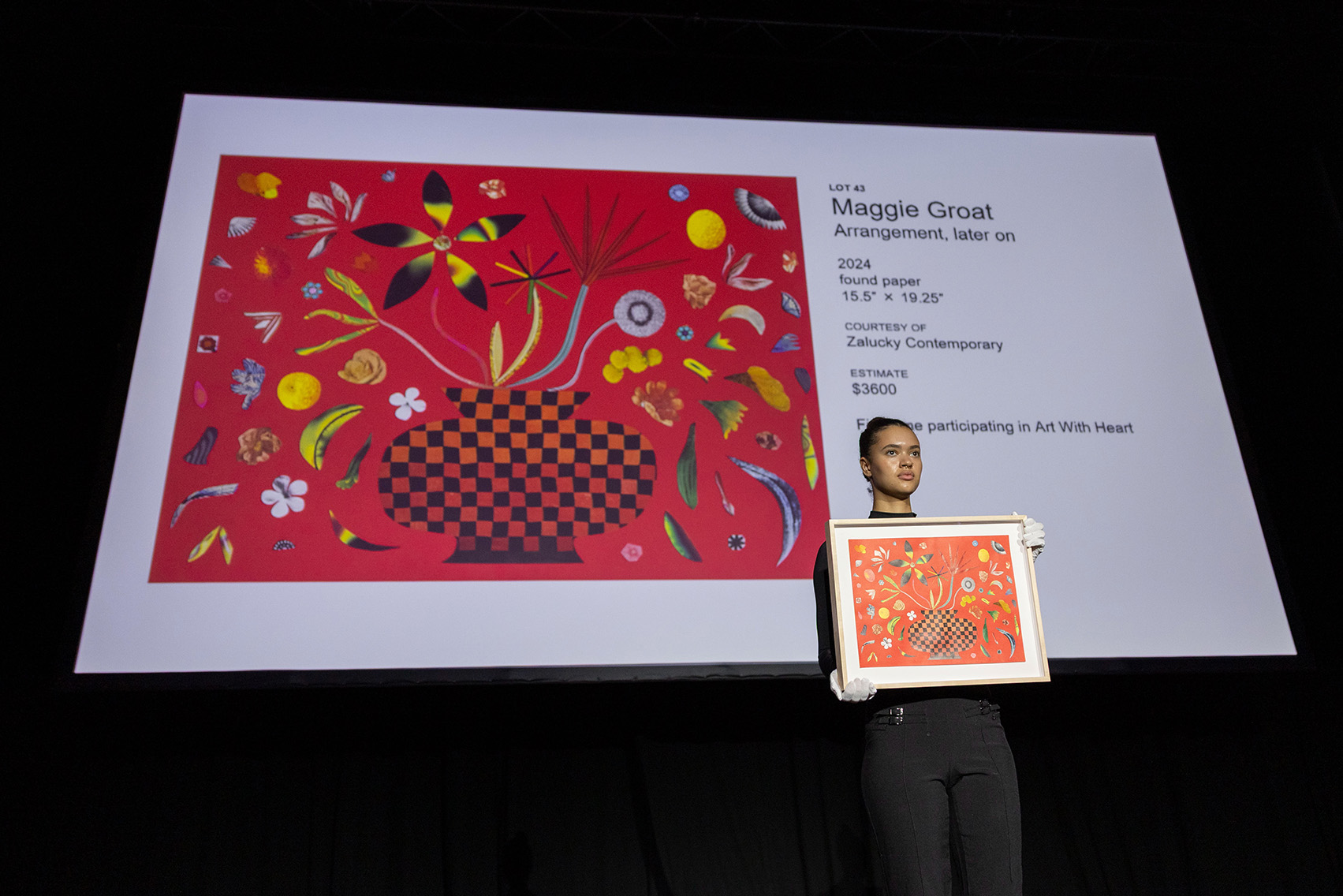
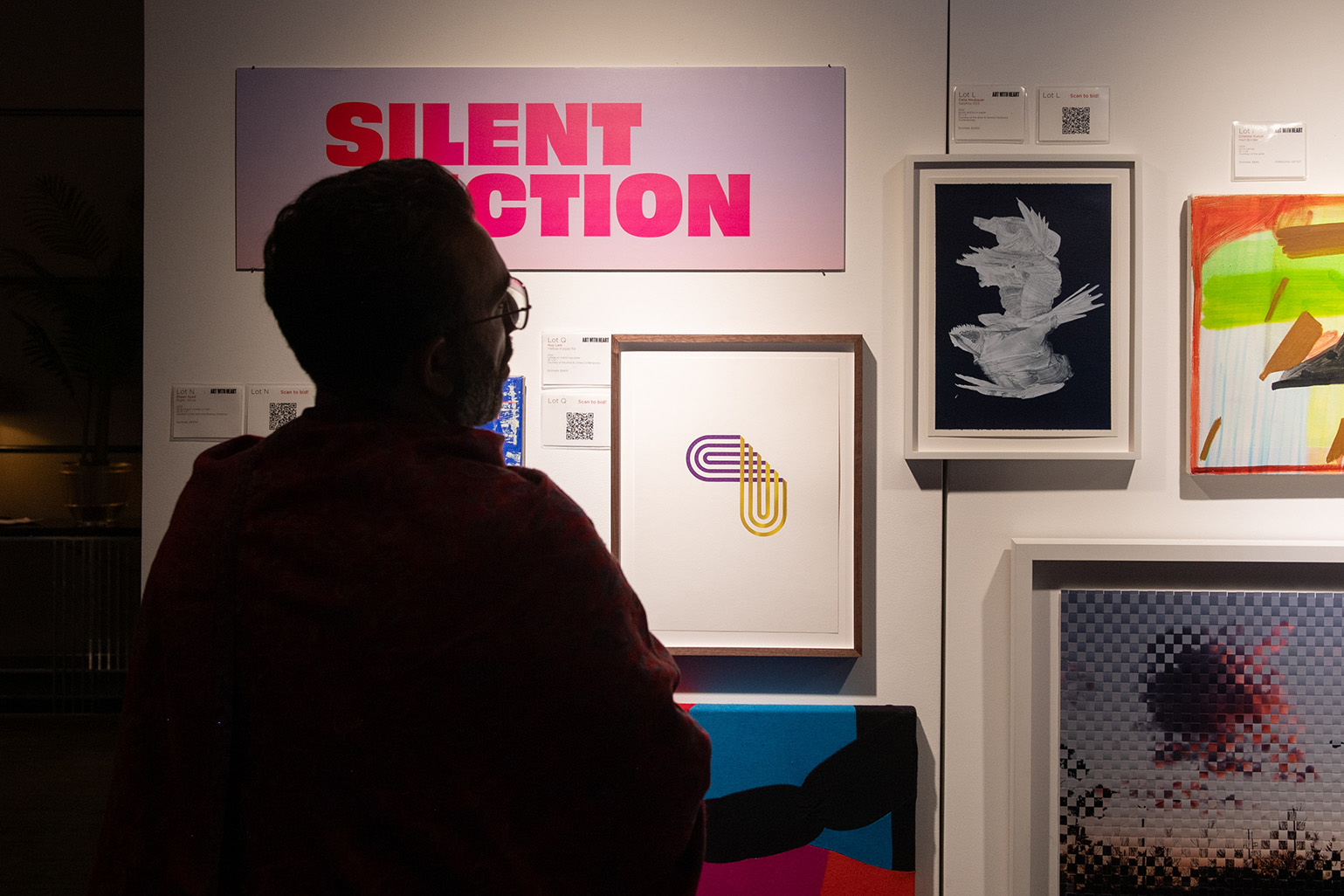
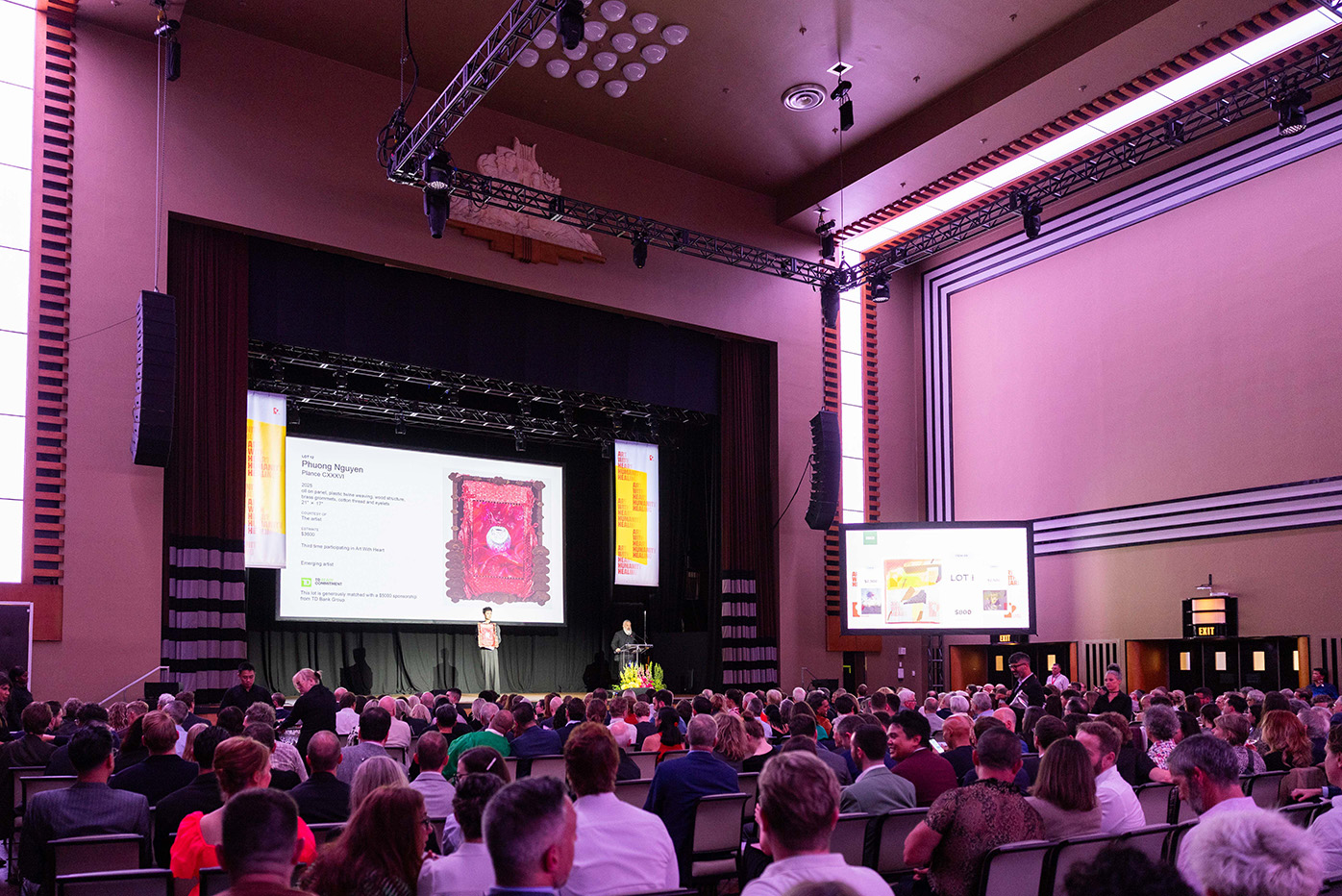
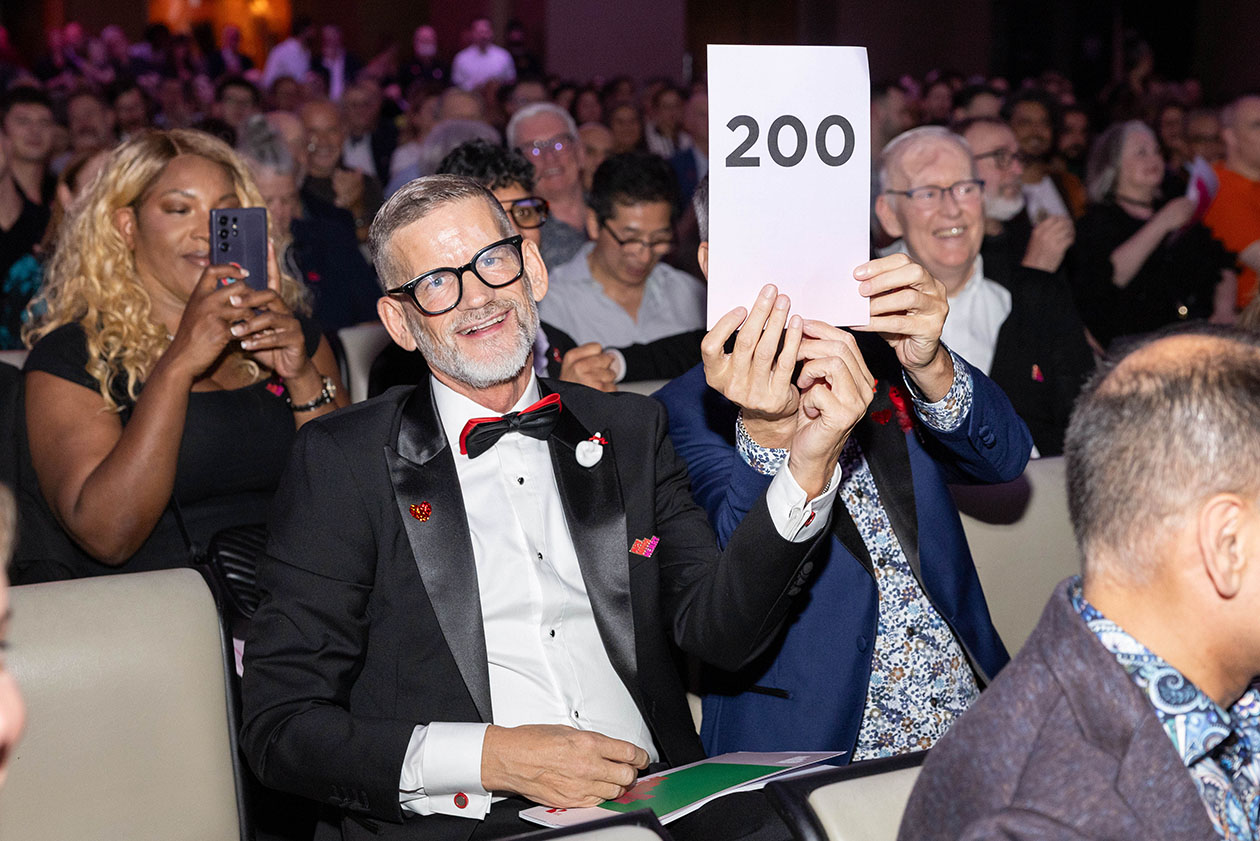
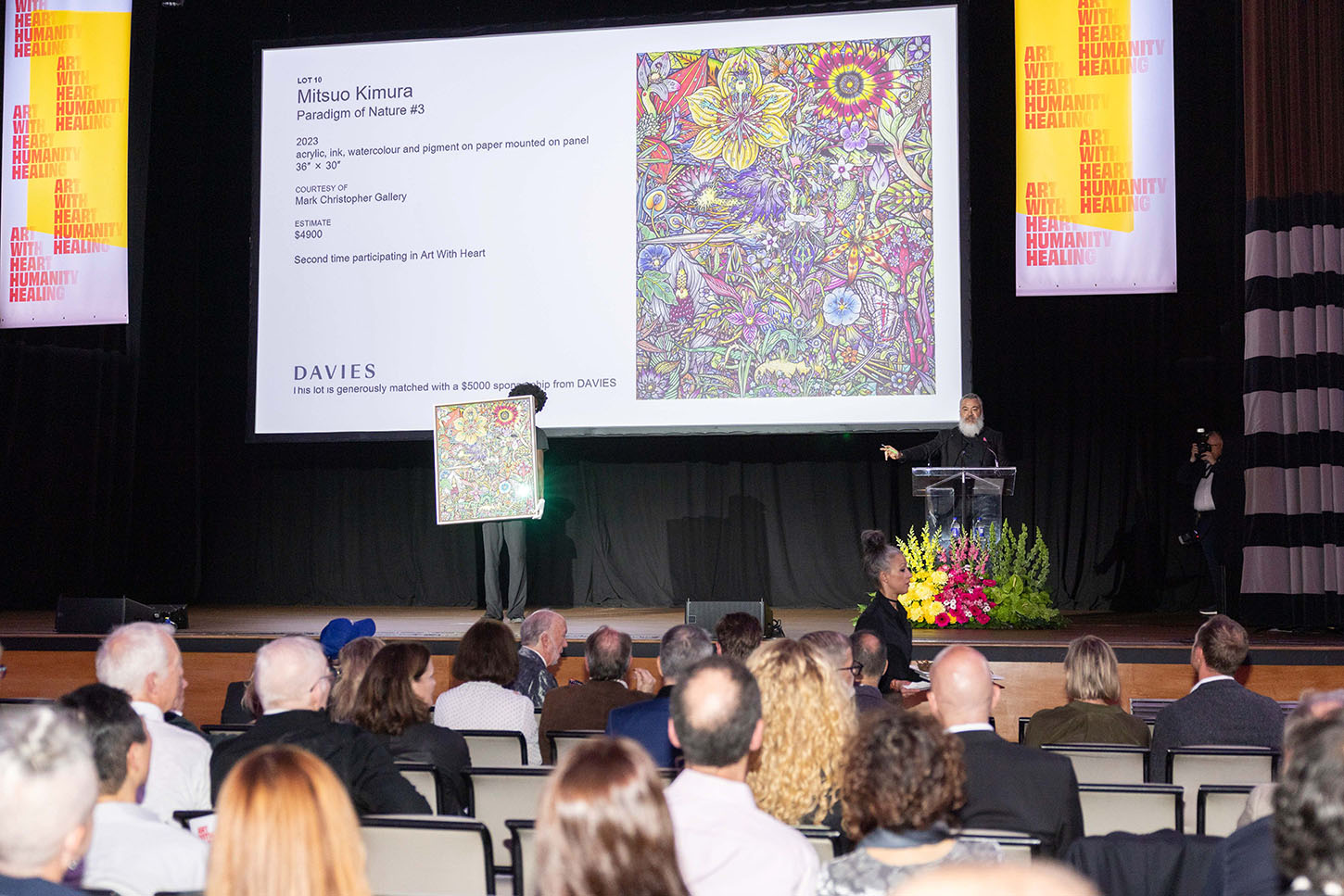
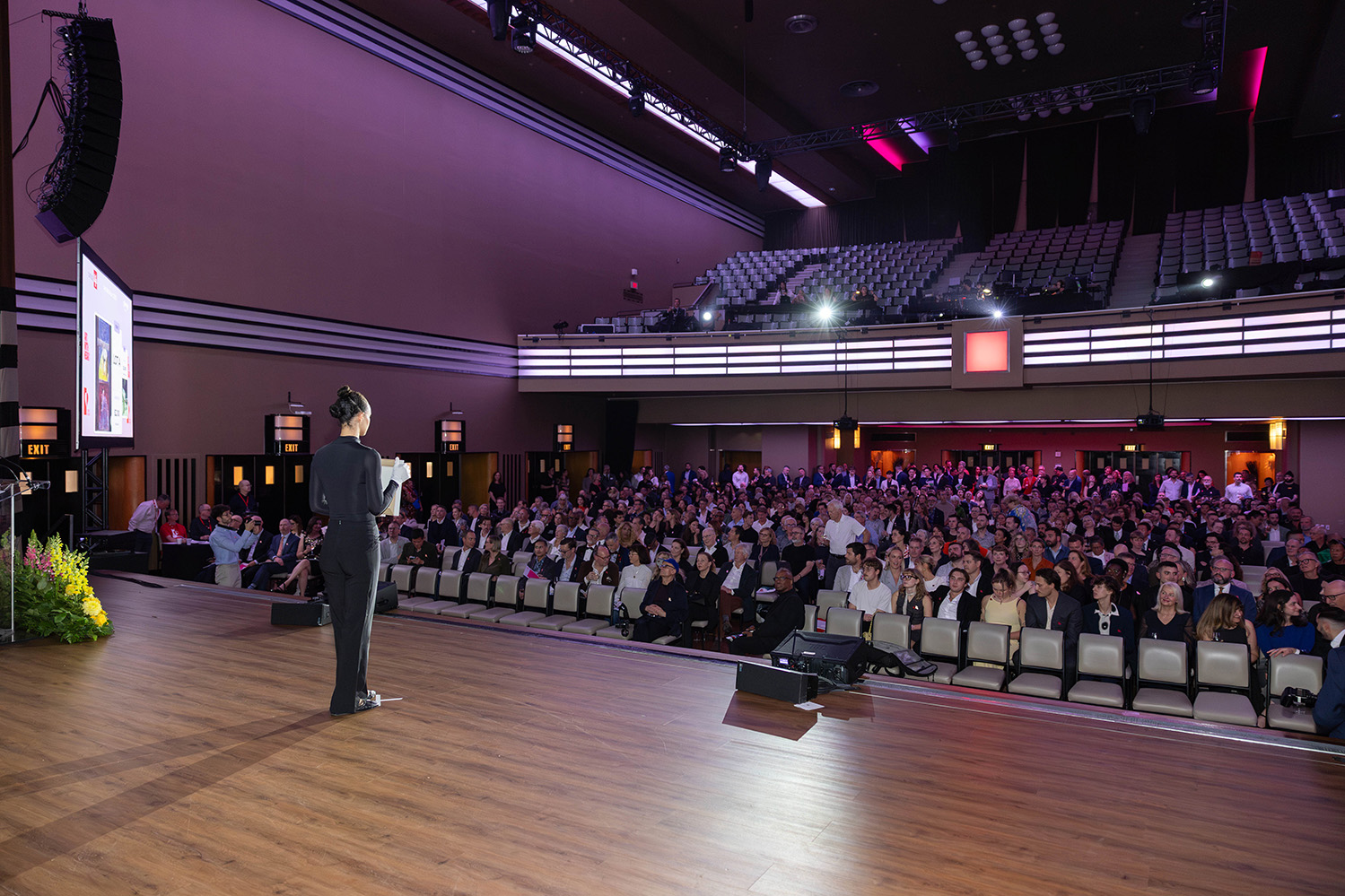
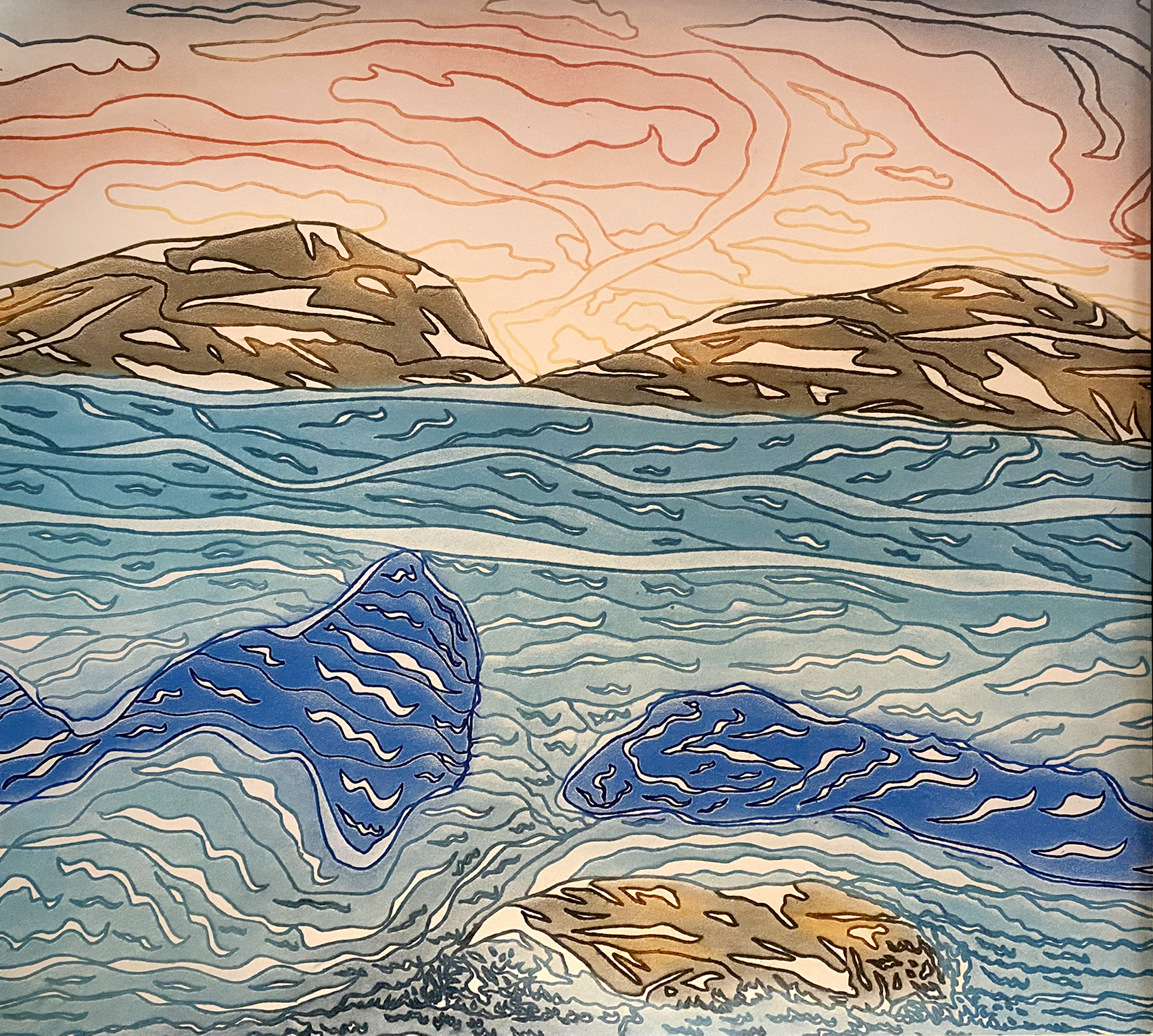
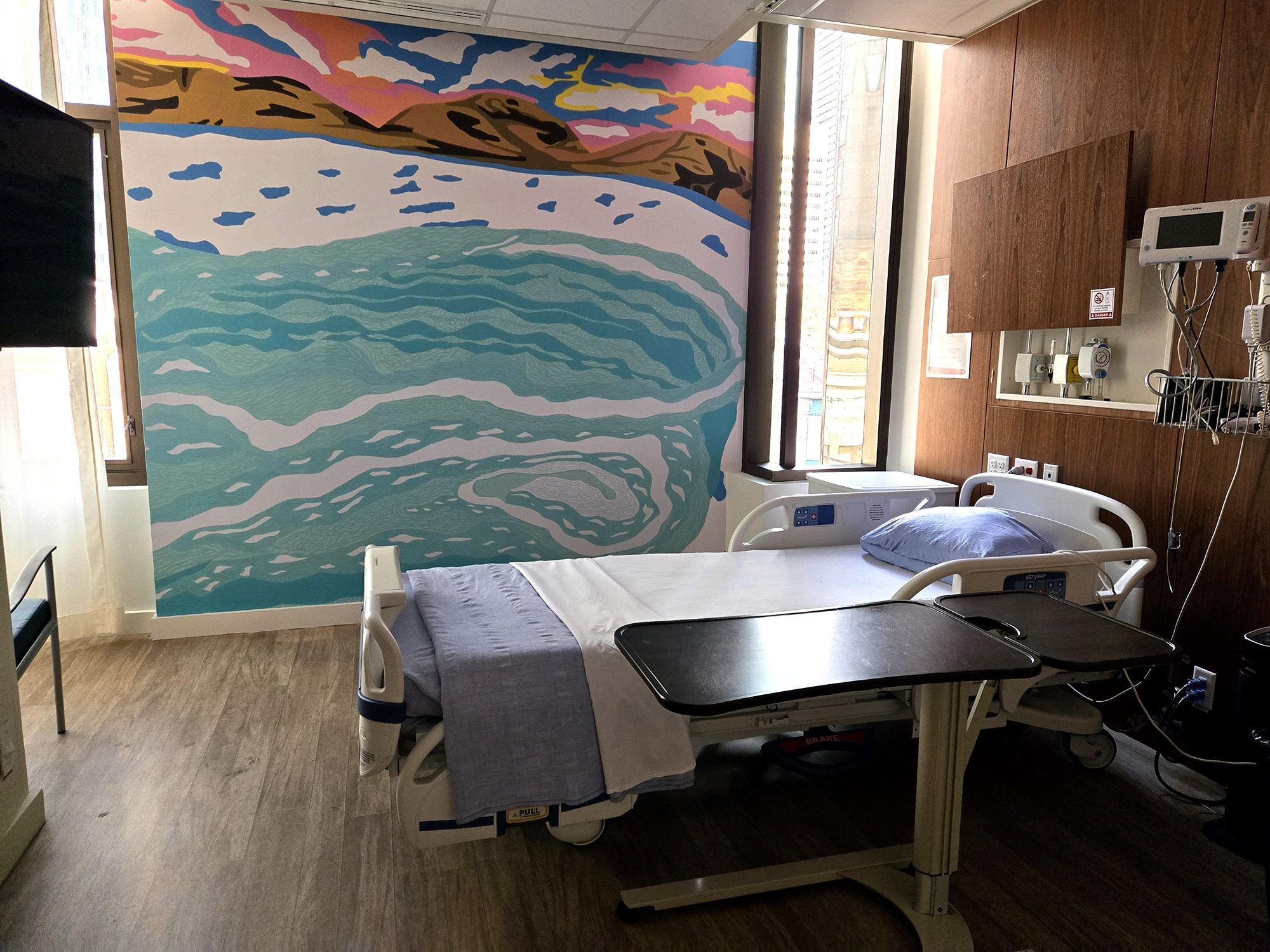
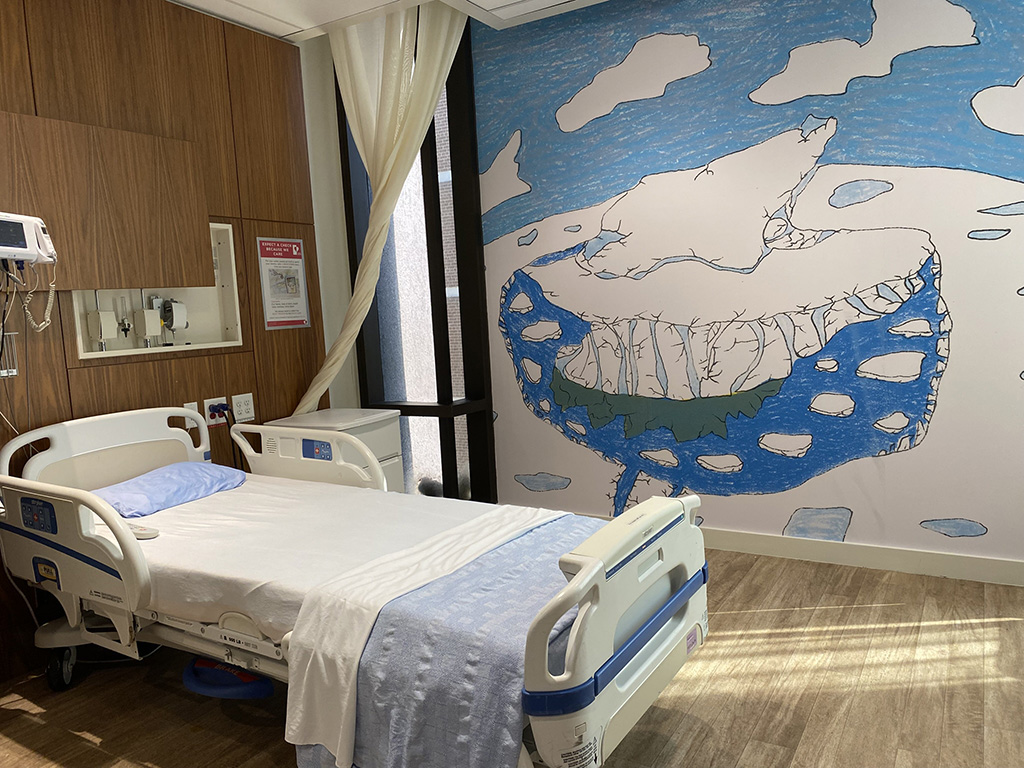
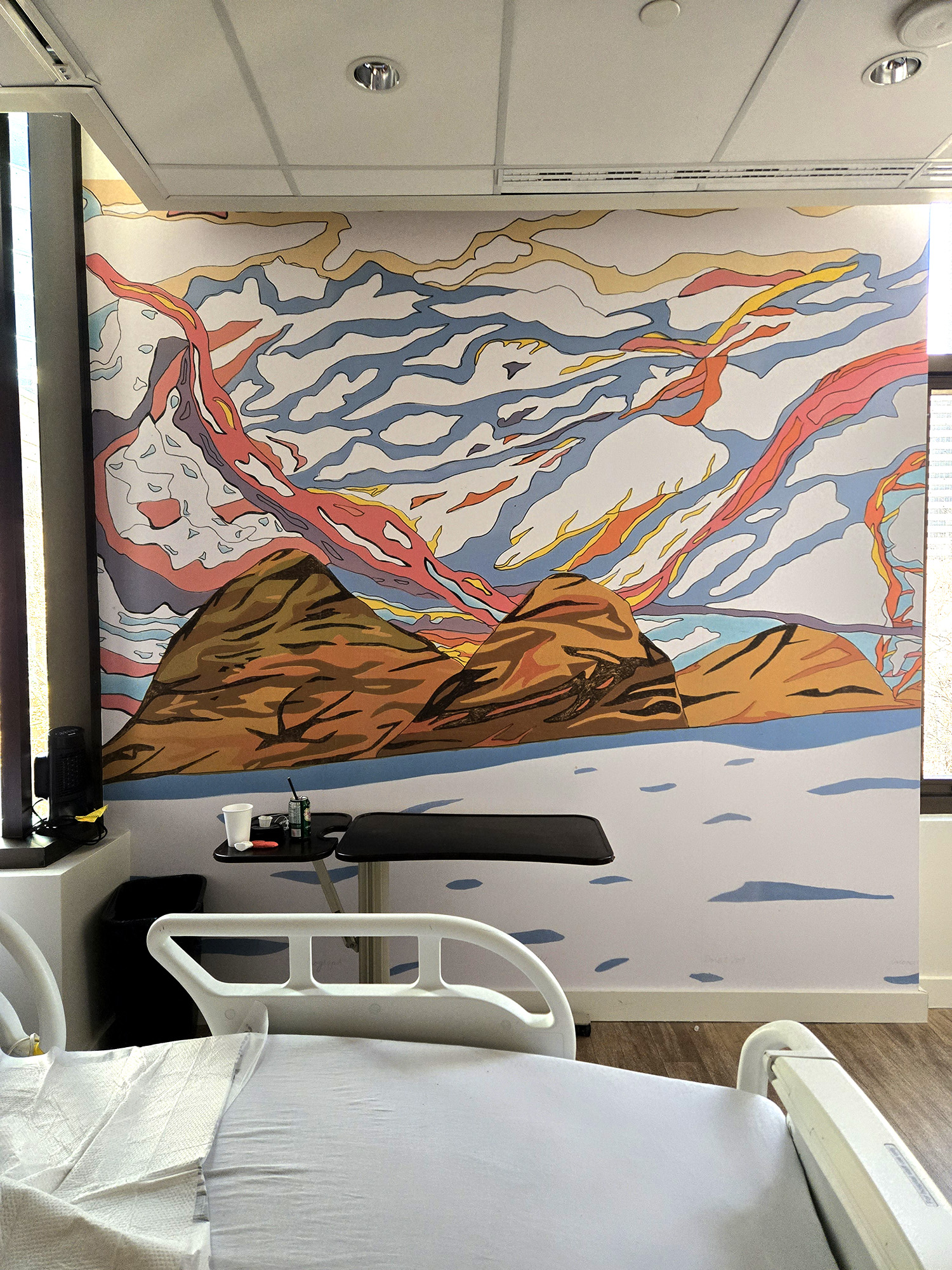
The saying is ‘many hands make light work’ and never is that truer than when organizing successful fundraisers. Art With Heart is Casey House’s largest, and oldest fundraising event. For 32 years, the charitable auction has offered exquisite and eye-catching contemporary art from across Canada.
Compiling a desirable collection to auction each year is the task of an incredible curatorial committee. This group of curators, gallerists, artists, and patrons co-chaired by Raoul Olou and Spencer Shevlen source and select every artwork for the auction. They are tastemakers with big hearts.
Also supporting the event this year was a brand-new development committee co-chaired by Andrea Anders and Jacqueline Darling. Like the curatorial committee, these individuals generously lend their time, expertise, and deep love of art to thoughtfully secure opportunities and build meaningful relationships. They work behind the scenes to help drive ticket sales and secure sponsorships, which supplement art sales.

PARTNERING FOR
IMPROVED CARE
Thanks to generous donor funding, Casey House partnered with Mackenzie Health to replace our electronic medical records (EMR) system. As a small hospital, it would have been cost-prohibitive to acquire our own digital license of the expansive technology; however, this new collaboration with Mackenzie Health is developing the groundwork to continue launching innovative tools for both staff and clients.
After many months of consultation and planning with our teams and calibration with hospital partner Mackenzie Health, we implemented Epic systems for electronic medical records and charting in September 2025, marking the first milestone of this digital transformation.
This new software allows clinicians to efficiently document our specialty care, with nuance and context that keeps client safety paramount. Care providers can also access real-time updates of critical client health information across a network of Ontario health providers.
Clients are unified under one profile of care, bridging knowledge gaps that commonly occur between separate health care providers.

Next, we will roll out the additional tools for appointment reminders and discharge summaries to keep our services modern and efficient. It is also integrated with many large hospitals and health systems across Ontario, which allows care providers to access critical client health information that sets the stage for timely and seamless care.
Collaborated
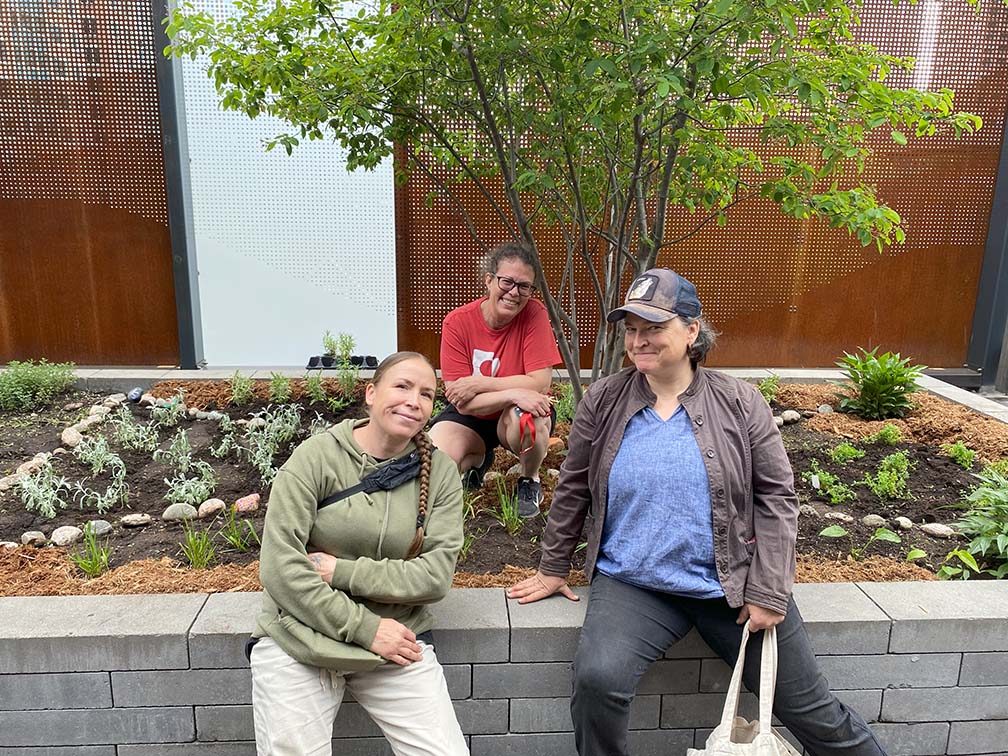
Collaborated with Miinikaan garden consultants and our Indigenous advisory to redesign and replant the Love Family Healing Garden on our rooftop with Indigenous sacred medicines. The new medicine wheel format features sage, tobacco, cedar, and sweet grass; the four medicines featured in our smudge kits. River rocks suggest the four directions.
Awarded

Blue Door Clinic lead Sarah Ionson received Joanne Ruiz Achievement for Excellence in Clinical Practice in HIV Award from the Association of Nurses in AIDS Care (ANAC) and HIV/AIDS Legal Clinic of Ontario (HALCO)’s James Kreppner Award
Awarded
Social worker Liz Creal awarded a University of Toronto 2025 Arbor Award for exceptional and longstanding volunteer service guiding Master of Social Work students as a field instructor for more than 30 years
Maintained
Maintained a five-star, triple A Veritas Foundation rating, which also determined that every dollar donated, there is $3.99 in value created, exceeding the average return range for charities of $2-$2.25

Third annual David’s Disco included a buzzing dance floor filled with glitter and sequins, had dazzling performances by Kylie Sonique Love and Simone Denny, and raised $630,730
Casey & Diana continues its march across the country, with a cumulative total of ten productions, including one in the United States
Added
Added a new Indigenous sacred fire to our interior courtyard in June, which provides a space for gathering, feasting, commemoration, and celebration
Raised
The LCBO’s Love Pairs With Everything campaign raises $250,000 for Casey House, thanks to the generosity of customers commitment of LCBO employees
Honoured
Honoured to receive a Community Health Champion Award from Alliance for Healthier Communities when Ontario agencies with supervised consumption services and treatment services sites were selected to receive the 2025 award as a group
Gathered
Held a Transgender Day of Remembrance gathering that included performance, story and reflection centred around the theme of “Hope, Resilience and Togetherness”
Assembled
Awarded four recipients Casey Awards.
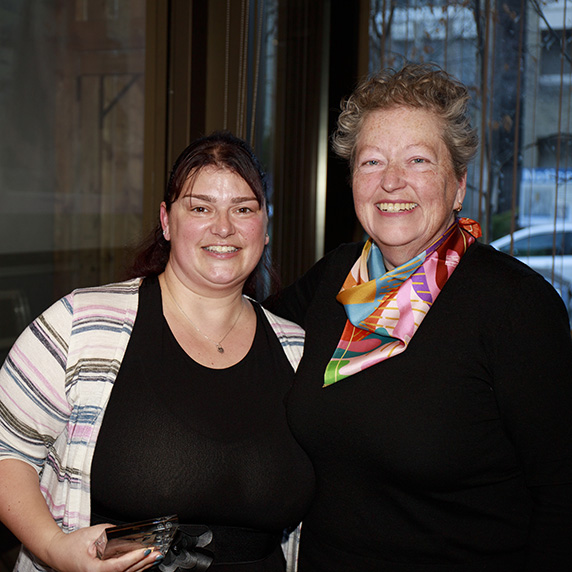
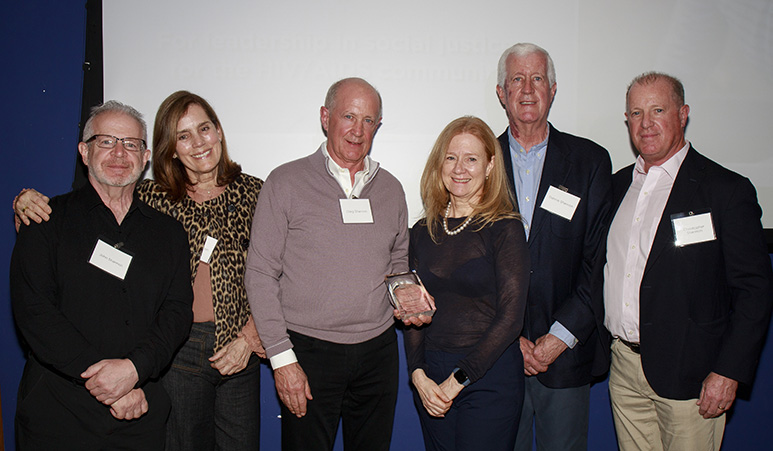
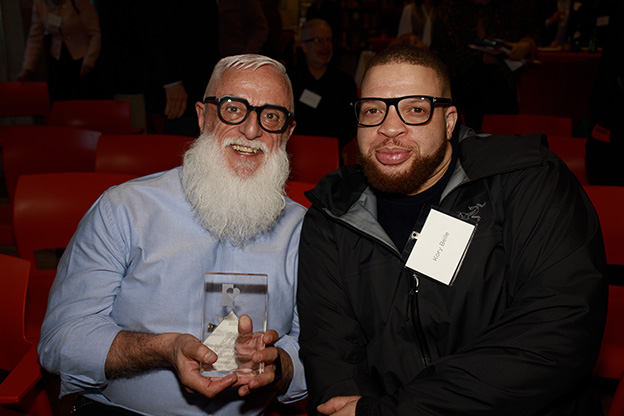
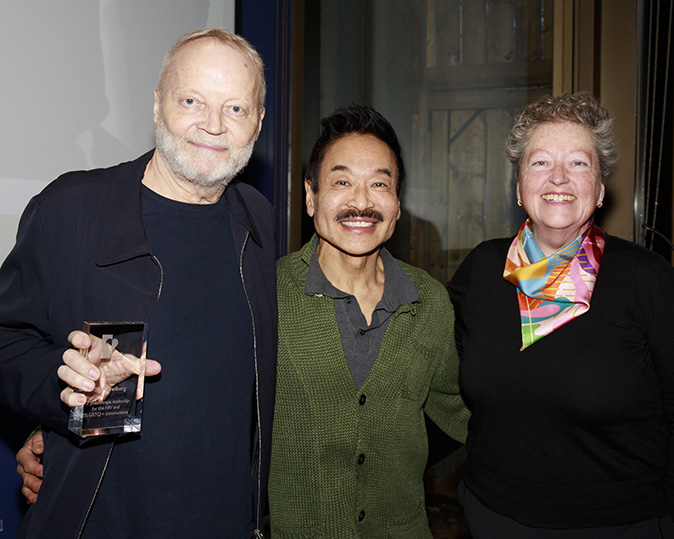
Find photos and read a tribute to each recipient at caseyhouse.caseyhouse.ca:
Leadership in HIV/AIDS or social justice
- Francisco Ibáñez-Carrasco
- David Shannon (posthumous)
Volunteer
- Courtney Milne
Corporate Philanthropy
- Yabu Pushelberg
Published
Published 16 blog posts about Casey House activities and services
Marched
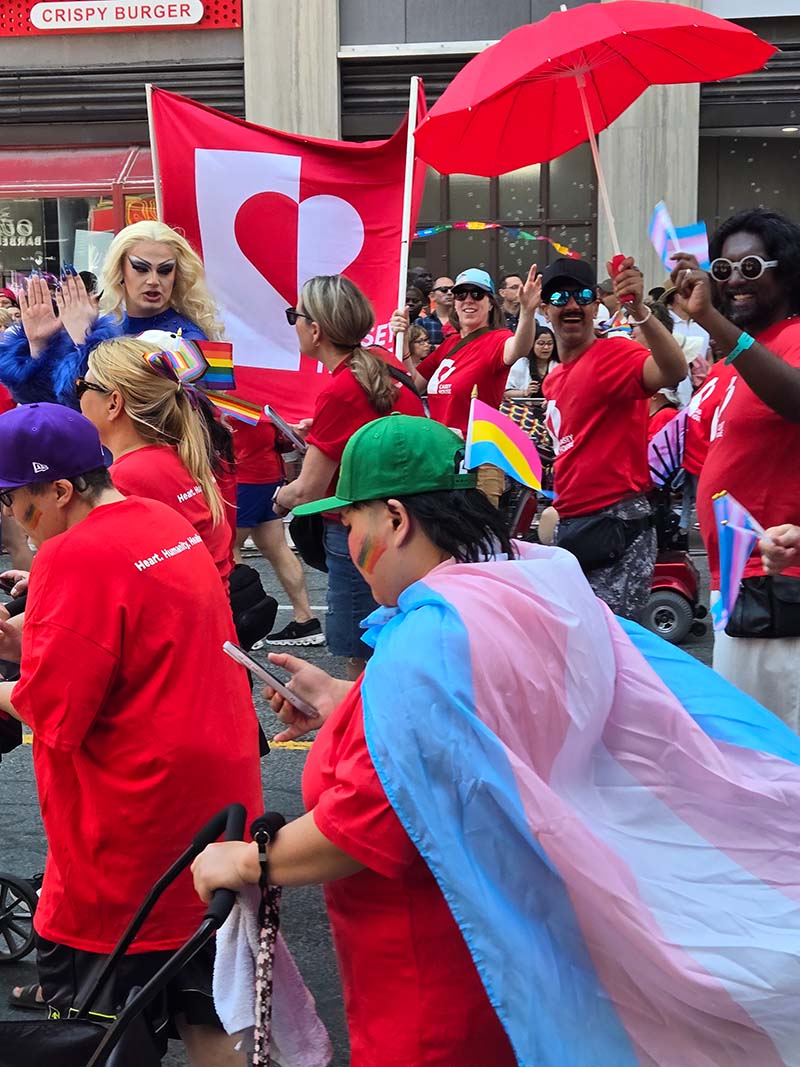
Marched in Toronto’s Pride parade with clients, volunteers, donors, staff, and friends
Integrated
Integrated Epic, a new electronic record database for electronic medical records and charting in September
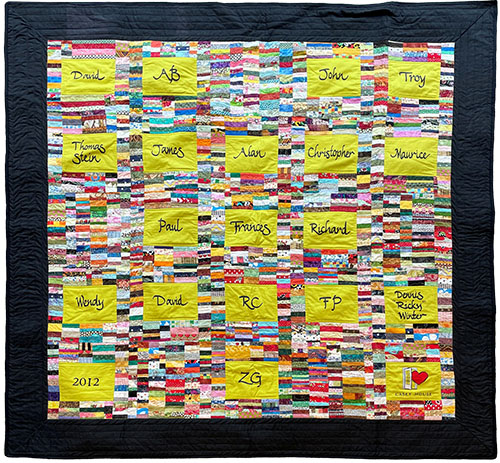
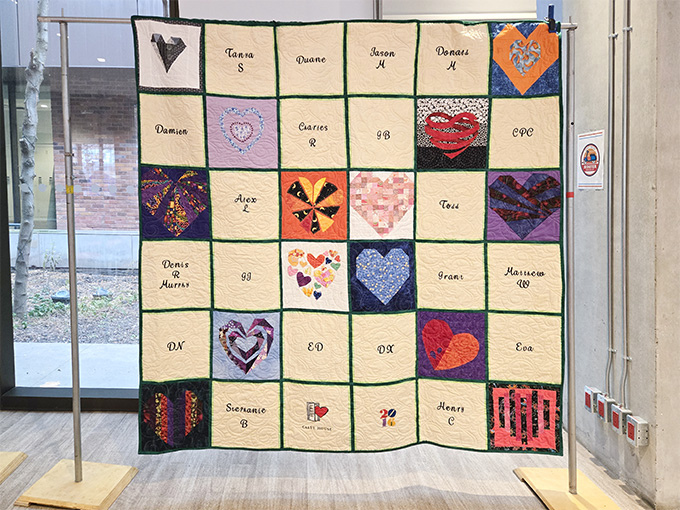
Debuted new memorial quilt on World AIDS Day. The volunteer quilting committee completed a beautiful quilt honouring clients who passed away in 2016.
Premiered
Held Big Fucking Deal film premiere at Hot Docs Ted Rogers Cinema in February to launch Smash Stigma 2026
Showed
Showed Big Fucking Deal to 300+ second year University of Toronto medical students in their “Ethics, Social & Medical Complexities” lecture April 1, 2026
Taught
Together, peers and staff taught a session on client-centred design to University of Toronto medical school students
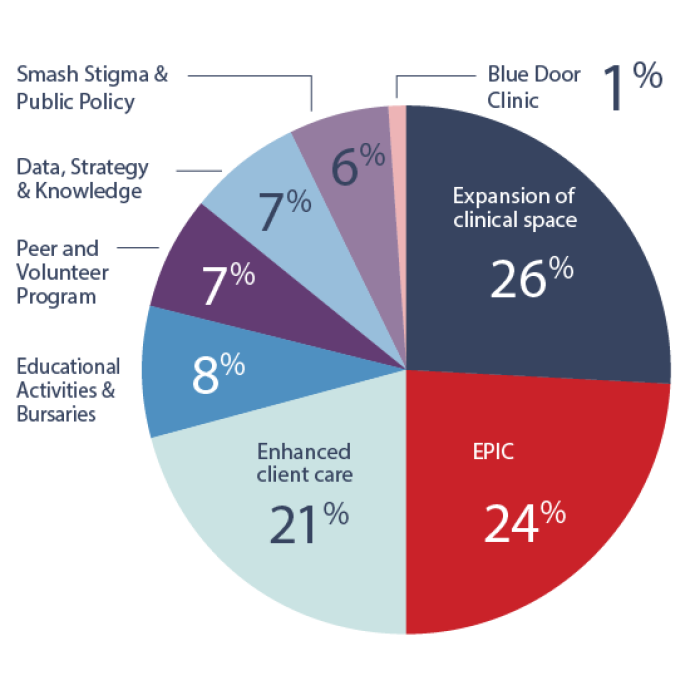
Hospital spending of grants from Casey House Foundation
Hospital operating expenses
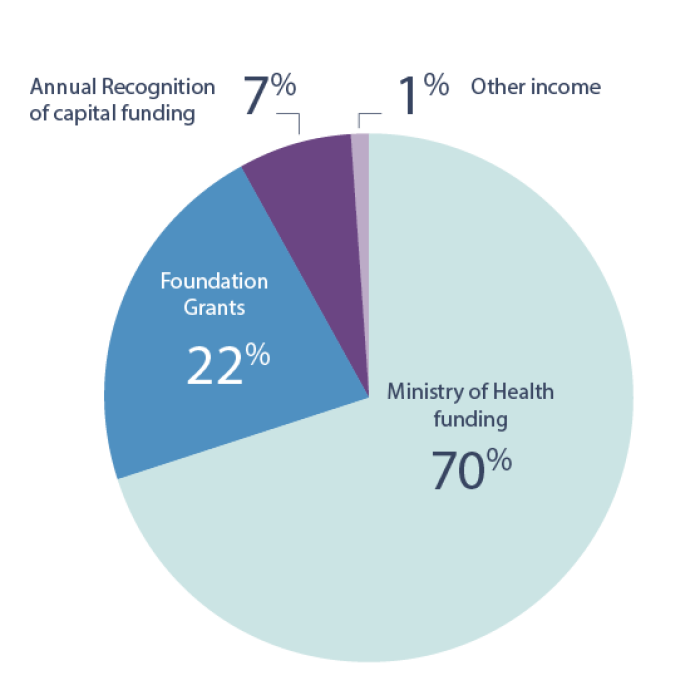






 Basic operating costs are funded by Ontario’s Ministry of Health.
 Generous Donations
to Casey House Foundation
Transform lives and
health care through
compassion and social justice


We rely on the generous donations of our supporters to enhance our health care programs and capital projects.
Support
Casey House today
416-962-7600 | 119 Isabella Street, Toronto, ON M4Y 1P2
Charitable Registration No. 10687 8374 RR0001
Casey House acknowledges that the land we are built upon is the ancestral territory of the Indigenous People of Turtle Island.